Every year, thousands of aspiring apiarists fall into the same trap. They order the glossy catalog, buy the woodenware, and suit up in white polyester before they understand the biology inside the box. The result is often a dead colony by the first frost. While self-study has its place, nothing replaces the guidance found in quality beekeeping courses for beginners. These programs bridge the dangerous gap between enthusiasm and competence, ensuring your first season yields honey rather than heartbreak.
The Hidden Costs of Trial-and-Error Learning
Tackling apiculture without a structured curriculum is like trying to learn surgery by watching web videos. Many novices attempt to "wing it," relying on fragmented forum advice. This approach often leads to preventable disasters, such as failing to spot a failing queen or misidentifying pests like Varroa mites until it is too late. A proper course contrasts sharply with this chaotic method. Instead of reacting to crises as they happen, structured learning teaches you to anticipate problems before they threaten the hive's survival. The investment in education is almost always lower than the cost of replacing bees and equipment lost to rookie mistakes.
Connecting Theory with Hands-on Practice
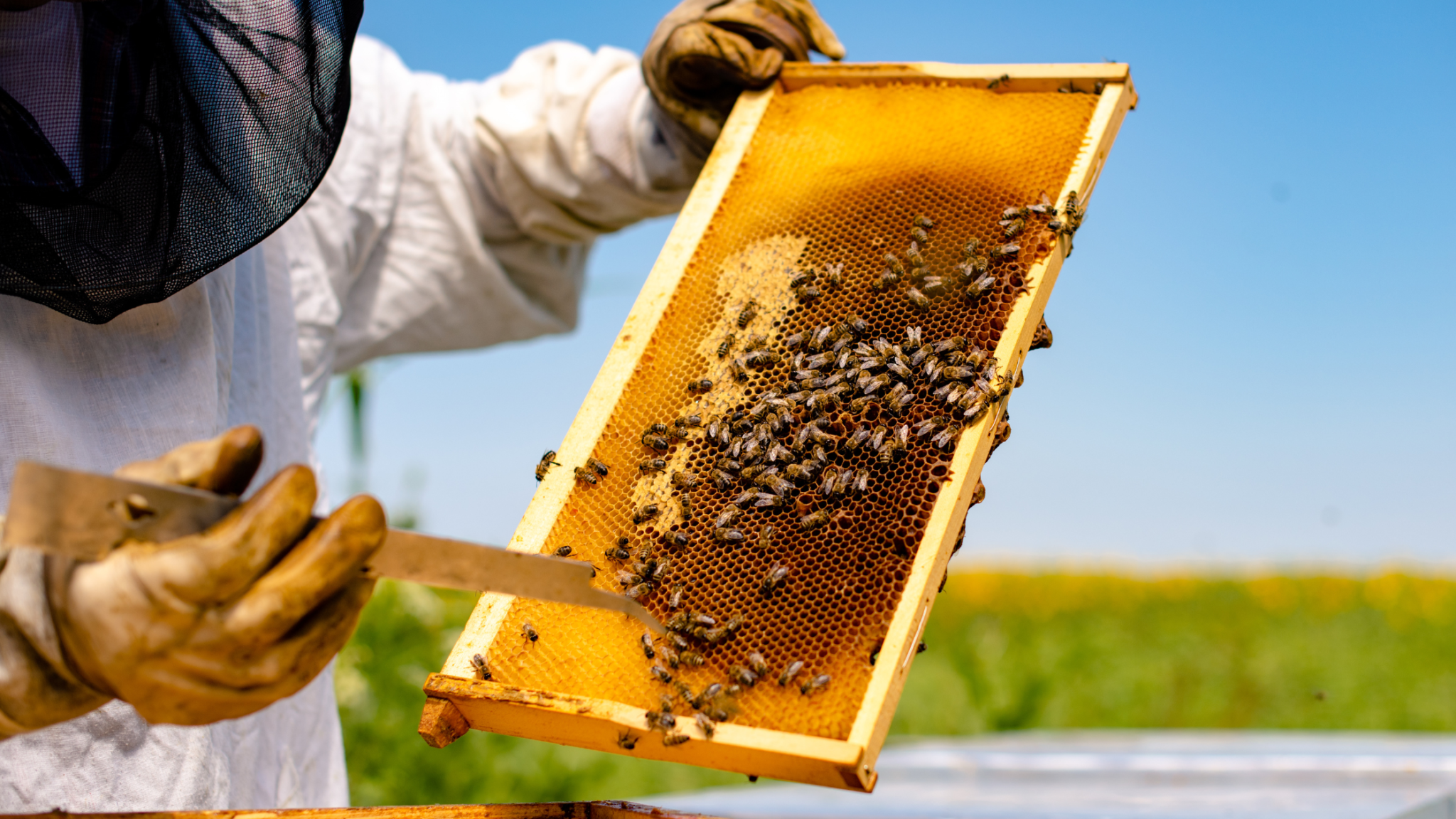
Reading about brood patterns is useful, but holding a frame covered in thousands of stinging insects creates a different kind of knowledge. Educational pathways that include field components offer a critical advantage: muscle memory. Under the watchful eye of an instructor, students learn the calm, deliberate movements required to inspect a hive without agitating the residents. This mentorship helps you move past the anxiety of the first few inspections, allowing you to focus on the health of the colony rather than your own fear of the sting.
Why Local Mentorship Beats Generic Advice
Beekeeping is fiercely local. A strategy that works in the humid climate of the Pacific Northwest may spell disaster in the dry heat of Arizona. Generic online tutorials often overlook these regional nuances. Conversely, dedicated workshops usually focus on the specific flora and climate challenges of your area. Instructors share insights on when the nectar flow actually starts in your specific county and which local plants serve as fallback forage during droughts. This hyper-local context is a unique benefit of in-person beekeeping courses for beginners, providing a tailored roadmap that generic articles simply cannot replicate.
Building Confidence Through Guided Mentorship

Perhaps the most overlooked benefit of a formal class is the community it fosters. Beekeeping can be a solitary hobby, but having a network of peers to troubleshoot with is invaluable. In a classroom setting, you realize that every beginner has the same fears and questions. This environment transforms the learning process from a solitary struggle into a shared journey. By learning alongside others, you gain access to a support network that lasts long after the final class session, offering reassurance when you spot something unusual in your own hive.
Transforming a Hobby into a Sustainable Practice
Ultimately, the goal of any introductory program is sustainability. Beginners who rush in often quit after their first winter loss, discouraged by the steep learning curve. Those who invest in training, however, tend to stay with the hobby for years. The correct guidance shifts your perspective from merely "keeping" bees to actively stewarding them. By prioritizing education over equipment acquisition, you ensure that your apiary grows stronger with each passing season, turning a fleeting curiosity into a lifelong passion.
Every year, thousands of aspiring apiarists fall into the same trap. They order the glossy catalog, buy the woodenware, and suit up in white polyester before they understand the biology inside the box. The result is often a dead colony by the first frost. While self-study has its place, nothing replaces the guidance found in quality beekeeping courses for beginners. These programs bridge the dangerous gap between enthusiasm and competence, ensuring your first season yields honey rather than heartbreak.
The Hidden Costs of Trial-and-Error Learning
Tackling apiculture without a structured curriculum is like trying to learn surgery by watching web videos. Many novices attempt to "wing it," relying on fragmented forum advice. This approach often leads to preventable disasters, such as failing to spot a failing queen or misidentifying pests like Varroa mites until it is too late. A proper course contrasts sharply with this chaotic method. Instead of reacting to crises as they happen, structured learning teaches you to anticipate problems before they threaten the hive's survival. The investment in education is almost always lower than the cost of replacing bees and equipment lost to rookie mistakes.
Connecting Theory with Hands-on Practice
Reading about brood patterns is useful, but holding a frame covered in thousands of stinging insects creates a different kind of knowledge. Educational pathways that include field components offer a critical advantage: muscle memory. Under the watchful eye of an instructor, students learn the calm, deliberate movements required to inspect a hive without agitating the residents. This mentorship helps you move past the anxiety of the first few inspections, allowing you to focus on the health of the colony rather than your own fear of the sting.
Why Local Mentorship Beats Generic Advice
Beekeeping is fiercely local. A strategy that works in the humid climate of the Pacific Northwest may spell disaster in the dry heat of Arizona. Generic online tutorials often overlook these regional nuances. Conversely, dedicated workshops usually focus on the specific flora and climate challenges of your area. Instructors share insights on when the nectar flow actually starts in your specific county and which local plants serve as fallback forage during droughts. This hyper-local context is a unique benefit of in-person beekeeping courses for beginners, providing a tailored roadmap that generic articles simply cannot replicate.
Building Confidence Through Guided Mentorship
Perhaps the most overlooked benefit of a formal class is the community it fosters. Beekeeping can be a solitary hobby, but having a network of peers to troubleshoot with is invaluable. In a classroom setting, you realize that every beginner has the same fears and questions. This environment transforms the learning process from a solitary struggle into a shared journey. By learning alongside others, you gain access to a support network that lasts long after the final class session, offering reassurance when you spot something unusual in your own hive.
Transforming a Hobby into a Sustainable Practice
Ultimately, the goal of any introductory program is sustainability. Beginners who rush in often quit after their first winter loss, discouraged by the steep learning curve. Those who invest in training, however, tend to stay with the hobby for years. The correct guidance shifts your perspective from merely "keeping" bees to actively stewarding them. By prioritizing education over equipment acquisition, you ensure that your apiary grows stronger with each passing season, turning a fleeting curiosity into a lifelong passion.
Beginner's Tips For Urban Beekeeping Success
Beginner's Tips For Urban Beekeeping Success
Beekeeping For Beginners – Artofit

Beekeeping for beginners – Artofit
Certificate III In Beekeeping AHC31818 Now Available At Melbourne

Certificate III in Beekeeping AHC31818 now available at Melbourne ...
Beginner Beekeeping Class | Gees Bees Honey Co

Beginner Beekeeping Class | Gees Bees Honey Co