Starting a hive in the United Kingdom can feel like entering a new world, but a systematic approach turns curiosity into a thriving garden of buzzing activity. This guide walks you through the essential decisions, tools, and seasonal actions so you can launch a healthy apiary with confidence.
Choosing the Right Hive: Comparing Common Designs
British beekeepers often debate Langstroth versus British National hives. The Langstroth’s modular frames simplify inspection, while the National hive’s deeper boxes match traditional UK beekeeping practices and better accommodate colder winters. Assess your garden space, budget, and willingness to handle heavier boxes before committing.
Essential Gear – What You’ll Need First
Even a modest starter kit can prevent painful stings and protect your equipment. A well‑fitted veil (preferably with a mesh of at least 1 mm), a lightweight bee‑suit, and a sturdy hive tool are non‑negotiable. Add a smoker with natural pine for gentle calming; it’s reusable and works well in damp British climates.
Site Selection – Matching Hive to Environment
Locate your hive on a sunny, wind‑sheltered spot facing southeast. Proximity to a water source, such as a garden pond, gives bees easy hydration, while keeping the entrance at least 2 m from footpaths reduces disturbance. Urban beekeepers often mount hives on rooftops, but ensure the structure can support up to 30 kg during peak season.
First Inspection: A Visual Comparison of Frame Conditions
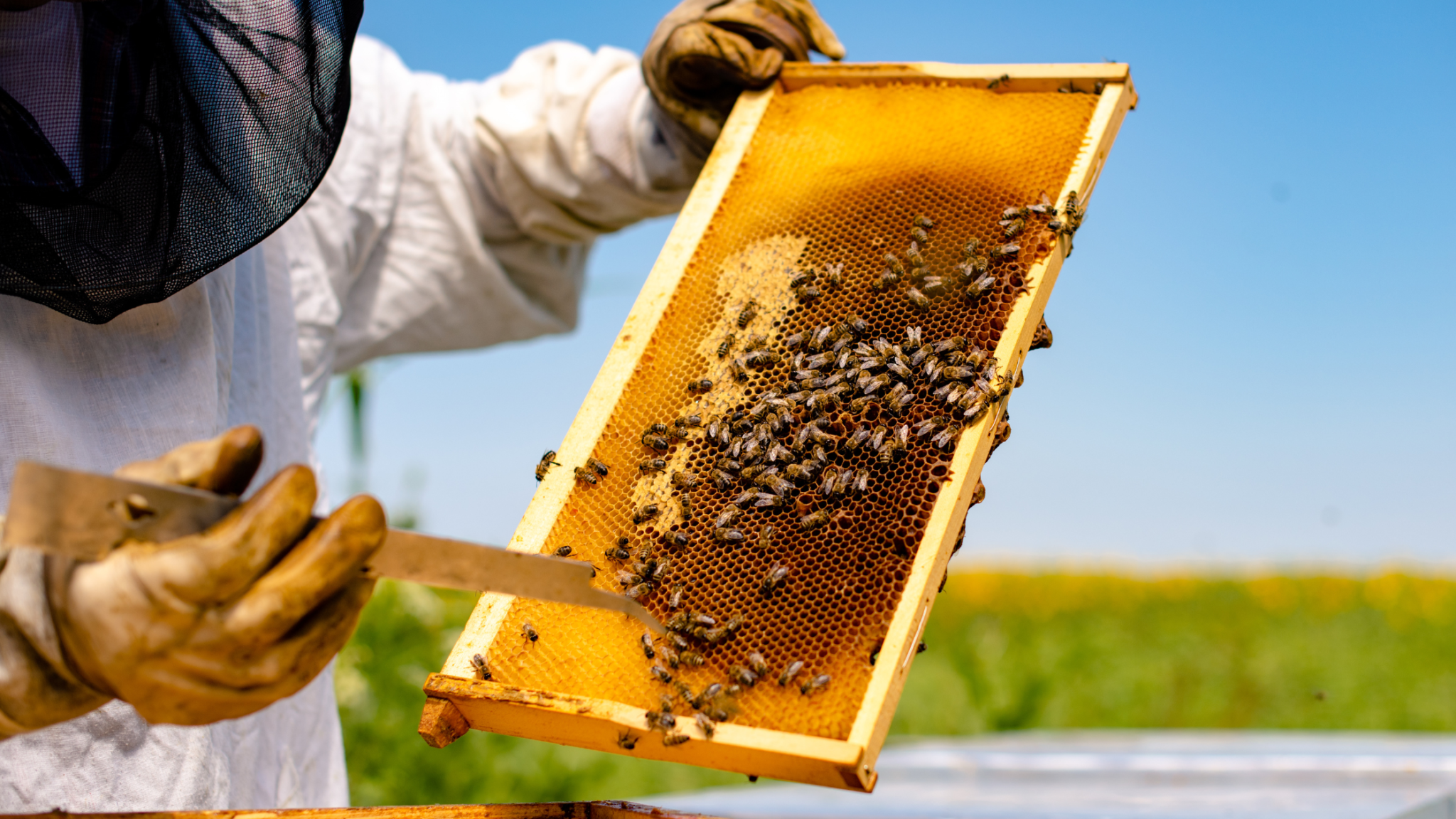
During the initial check, compare the colour and texture of brood cells. Light, creamy cells signal a queen’s strong laying pattern, whereas dark, spotty cells may indicate a disease issue. Use the frame’s pattern to gauge whether the colony is ready for a second super before autumn.
Seasonal Management – Mapping Tasks Across the British Calendar
From March to May, focus on installing a feeder and monitoring queen health. June through August calls for adding honey supers and watching for swarming signs. In September, reduce the hive entrance to help the colony retain winter stores, and conduct a final inspection in October to ensure adequate food reserves.
Common Pitfalls Illustrated

Newbees often forget to silence the smoker before opening the hive, leading to aggressive bees. Observe the calmness of the colony after a brief puff—if they’re still unsettled, give them a moment before proceeding. This simple habit reduces stings and protects both you and the bees.
Starting a hive in the United Kingdom can feel like entering a new world, but a systematic approach turns curiosity into a thriving garden of buzzing activity. This guide walks you through the essential decisions, tools, and seasonal actions so you can launch a healthy apiary with confidence.
Choosing the Right Hive: Comparing Common Designs
British beekeepers often debate Langstroth versus British National hives. The Langstroth’s modular frames simplify inspection, while the National hive’s deeper boxes match traditional UK beekeeping practices and better accommodate colder winters. Assess your garden space, budget, and willingness to handle heavier boxes before committing.
Essential Gear – What You’ll Need First
Even a modest starter kit can prevent painful stings and protect your equipment. A well‑fitted veil (preferably with a mesh of at least 1 mm), a lightweight bee‑suit, and a sturdy hive tool are non‑negotiable. Add a smoker with natural pine for gentle calming; it’s reusable and works well in damp British climates.
Site Selection – Matching Hive to Environment
Locate your hive on a sunny, wind‑sheltered spot facing southeast. Proximity to a water source, such as a garden pond, gives bees easy hydration, while keeping the entrance at least 2 m from footpaths reduces disturbance. Urban beekeepers often mount hives on rooftops, but ensure the structure can support up to 30 kg during peak season.
First Inspection: A Visual Comparison of Frame Conditions
During the initial check, compare the colour and texture of brood cells. Light, creamy cells signal a queen’s strong laying pattern, whereas dark, spotty cells may indicate a disease issue. Use the frame’s pattern to gauge whether the colony is ready for a second super before autumn.
Seasonal Management – Mapping Tasks Across the British Calendar
From March to May, focus on installing a feeder and monitoring queen health. June through August calls for adding honey supers and watching for swarming signs. In September, reduce the hive entrance to help the colony retain winter stores, and conduct a final inspection in October to ensure adequate food reserves.
Common Pitfalls Illustrated
Newbees often forget to silence the smoker before opening the hive, leading to aggressive bees. Observe the calmness of the colony after a brief puff—if they’re still unsettled, give them a moment before proceeding. This simple habit reduces stings and protects both you and the bees.
Beginner's Tips For Urban Beekeeping Success
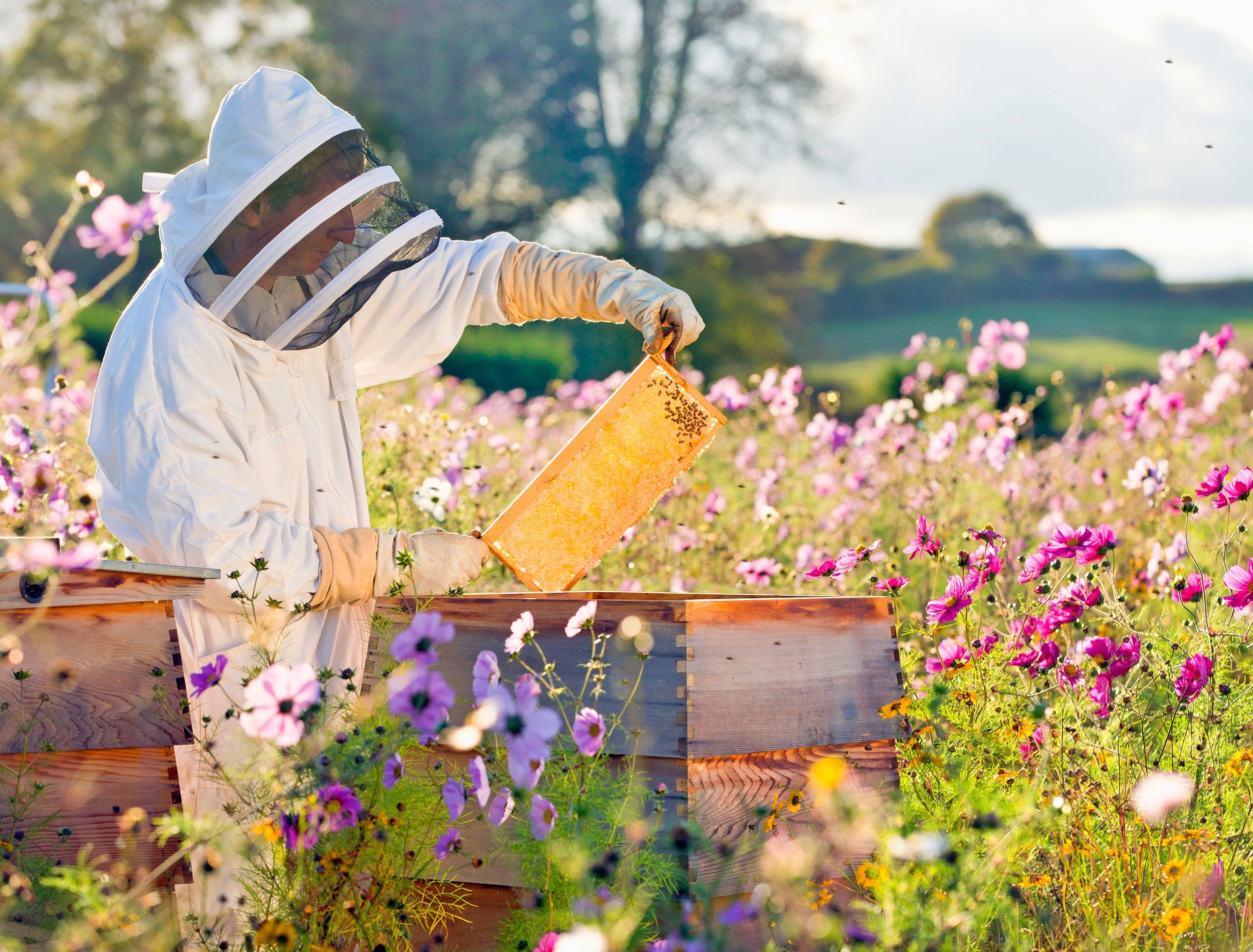
Beginner's Tips For Urban Beekeeping Success
Certificate III In Beekeeping AHC31818 Now Available At Melbourne

Certificate III in Beekeeping AHC31818 now available at Melbourne ...
Beginner Beekeeping Class | Gees Bees Honey Co

Beginner Beekeeping Class | Gees Bees Honey Co