For the aspiring apiarist with limited time, the first step is often research. A "beekeeping for beginners pdf" offers an accessible, low-cost entry point into the craft, providing theoretical knowledge without immediate commitment. However, while these documents are excellent for reference, they cannot replicate the tactile nuances of managing a live colony. To make a practical decision, one must analyze the trade-offs between static digital resources and dynamic, experiential learning.
When You Are Sourcing Technical Specifications
The strongest argument for using a PDF is the need for precise, searchable data. When you are in the planning phase, you require exact measurements for hive boxes, frame spacing, and feeder dimensions. A downloadable guide serves as a centralized blueprint, allowing you to cross-reference lumber cuts and equipment lists efficiently.

This format is superior for the busy reader who needs to extract a specific spec, such as the size of a queen excluder, without sifting through hours of video content. The trade-off, however, is that these diagrams often represent ideal conditions. A schematic assumes perfect symmetry, whereas wood swells, wax is irregular, and nature rarely follows the straight lines found in a manual.
When You Are Assessing Colony Temperament
No document can accurately prepare you for the sensory experience of opening a hive. A guide might list the signs of defensive behavior, such as bumping or loud buzzing, but interpreting the mood of a colony requires context that text cannot convey. Readers must recognize that "following" bees or the specific pitch of a hive's hum are learned observations, not just definitions to be memorized.
The Static Checklist Trap
Strictly adhering to a seasonal checklist found in a PDF can be dangerous if applied without situational awareness. A manual may suggest a specific date for harvesting honey, but a practical analysis of the local nectar flow and weather patterns proves otherwise. Relying solely on a rigid schedule can lead to starving bees or harvesting uncapped honey. The analytical beekeeper uses the PDF as a baseline but adjusts actions based on immediate environmental reality.
When You Need Immediate Error Correction
While self-study is valuable, the learning curve for beekeeping is steep and unforgiving of mechanical errors. mishandling frames or improper smoking techniques can crush bees or agitate the queen, mistakes that are difficult to unlearn without intervention.

This is where the limitations of a "beekeeping for beginners pdf" become apparent. In a practical class, an instructor provides real-time feedback on your grip and technique. For the pragmatic learner, paying for a workshop serves as insurance against preventable colony loss. Comparing the two resources, the PDF saves money, but the class saves time and prevents costly trial-and-error.
When Structuring Your Long-Term Strategy
The most effective approach for a practical reader is a hybrid model. Use the PDF for its utility as a quick reference guide during the off-season and for equipment planning, but rely on physical mentorship for the first few hive inspections. By treating the digital resource as a tool rather than a complete curriculum, you balance the low cost of self-study with the necessary rigor of experience.
For the aspiring apiarist with limited time, the first step is often research. A "beekeeping for beginners pdf" offers an accessible, low-cost entry point into the craft, providing theoretical knowledge without immediate commitment. However, while these documents are excellent for reference, they cannot replicate the tactile nuances of managing a live colony. To make a practical decision, one must analyze the trade-offs between static digital resources and dynamic, experiential learning.
When You Are Sourcing Technical Specifications
The strongest argument for using a PDF is the need for precise, searchable data. When you are in the planning phase, you require exact measurements for hive boxes, frame spacing, and feeder dimensions. A downloadable guide serves as a centralized blueprint, allowing you to cross-reference lumber cuts and equipment lists efficiently.
This format is superior for the busy reader who needs to extract a specific spec, such as the size of a queen excluder, without sifting through hours of video content. The trade-off, however, is that these diagrams often represent ideal conditions. A schematic assumes perfect symmetry, whereas wood swells, wax is irregular, and nature rarely follows the straight lines found in a manual.
When You Are Assessing Colony Temperament
No document can accurately prepare you for the sensory experience of opening a hive. A guide might list the signs of defensive behavior, such as bumping or loud buzzing, but interpreting the mood of a colony requires context that text cannot convey. Readers must recognize that "following" bees or the specific pitch of a hive's hum are learned observations, not just definitions to be memorized.
The Static Checklist Trap
Strictly adhering to a seasonal checklist found in a PDF can be dangerous if applied without situational awareness. A manual may suggest a specific date for harvesting honey, but a practical analysis of the local nectar flow and weather patterns proves otherwise. Relying solely on a rigid schedule can lead to starving bees or harvesting uncapped honey. The analytical beekeeper uses the PDF as a baseline but adjusts actions based on immediate environmental reality.
When You Need Immediate Error Correction
While self-study is valuable, the learning curve for beekeeping is steep and unforgiving of mechanical errors. mishandling frames or improper smoking techniques can crush bees or agitate the queen, mistakes that are difficult to unlearn without intervention.
This is where the limitations of a "beekeeping for beginners pdf" become apparent. In a practical class, an instructor provides real-time feedback on your grip and technique. For the pragmatic learner, paying for a workshop serves as insurance against preventable colony loss. Comparing the two resources, the PDF saves money, but the class saves time and prevents costly trial-and-error.
When Structuring Your Long-Term Strategy
The most effective approach for a practical reader is a hybrid model. Use the PDF for its utility as a quick reference guide during the off-season and for equipment planning, but rely on physical mentorship for the first few hive inspections. By treating the digital resource as a tool rather than a complete curriculum, you balance the low cost of self-study with the necessary rigor of experience.
Certificate III In Beekeeping AHC31818 Now Available At Melbourne

Certificate III in Beekeeping AHC31818 now available at Melbourne ...
Beginner's Tips For Urban Beekeeping Success
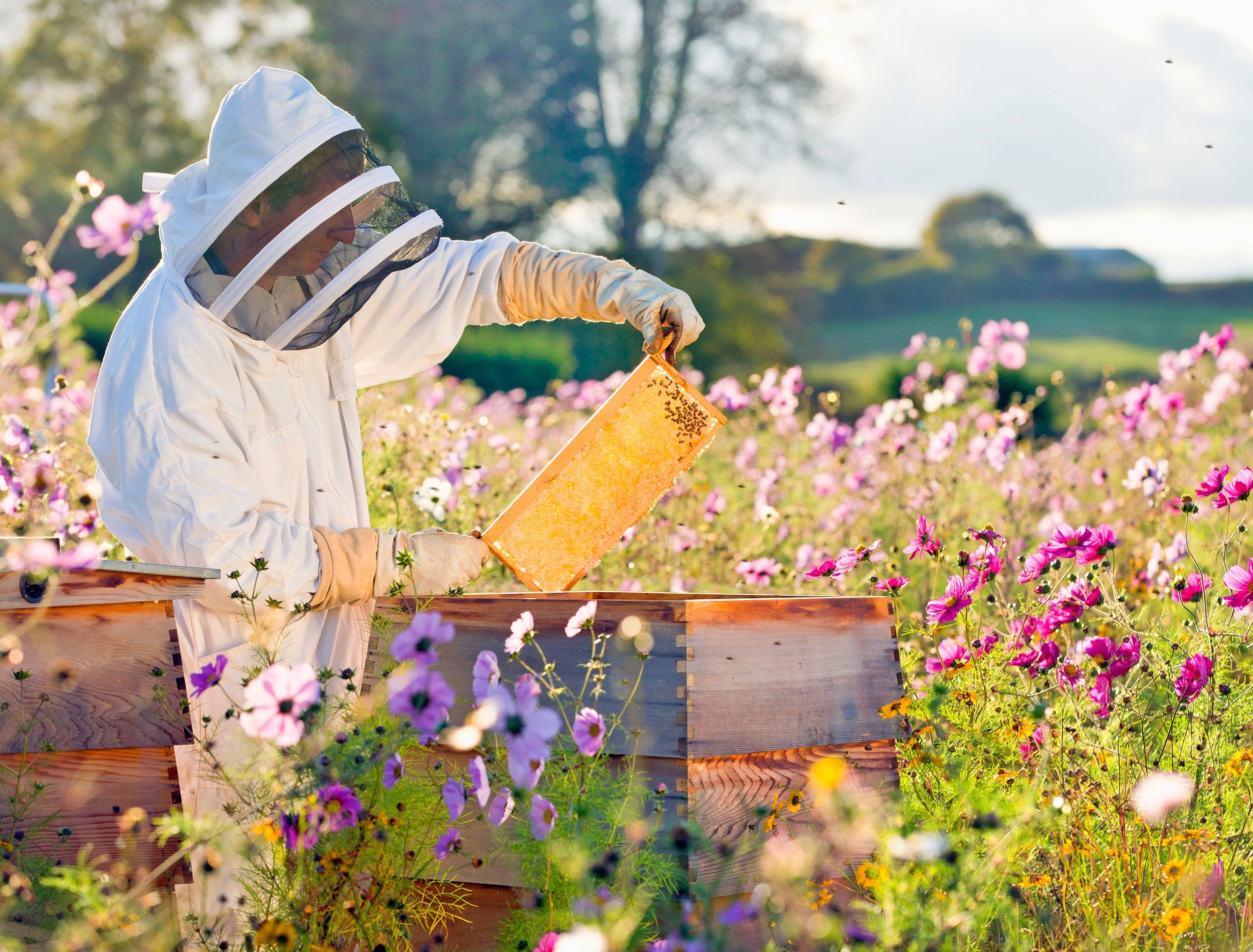
Beginner's Tips For Urban Beekeeping Success
Beginner Beekeeping Class | Gees Bees Honey Co

Beginner Beekeeping Class | Gees Bees Honey Co
Beekeeping | Beginner's Guide To Beekeeping - Fresh Hobby
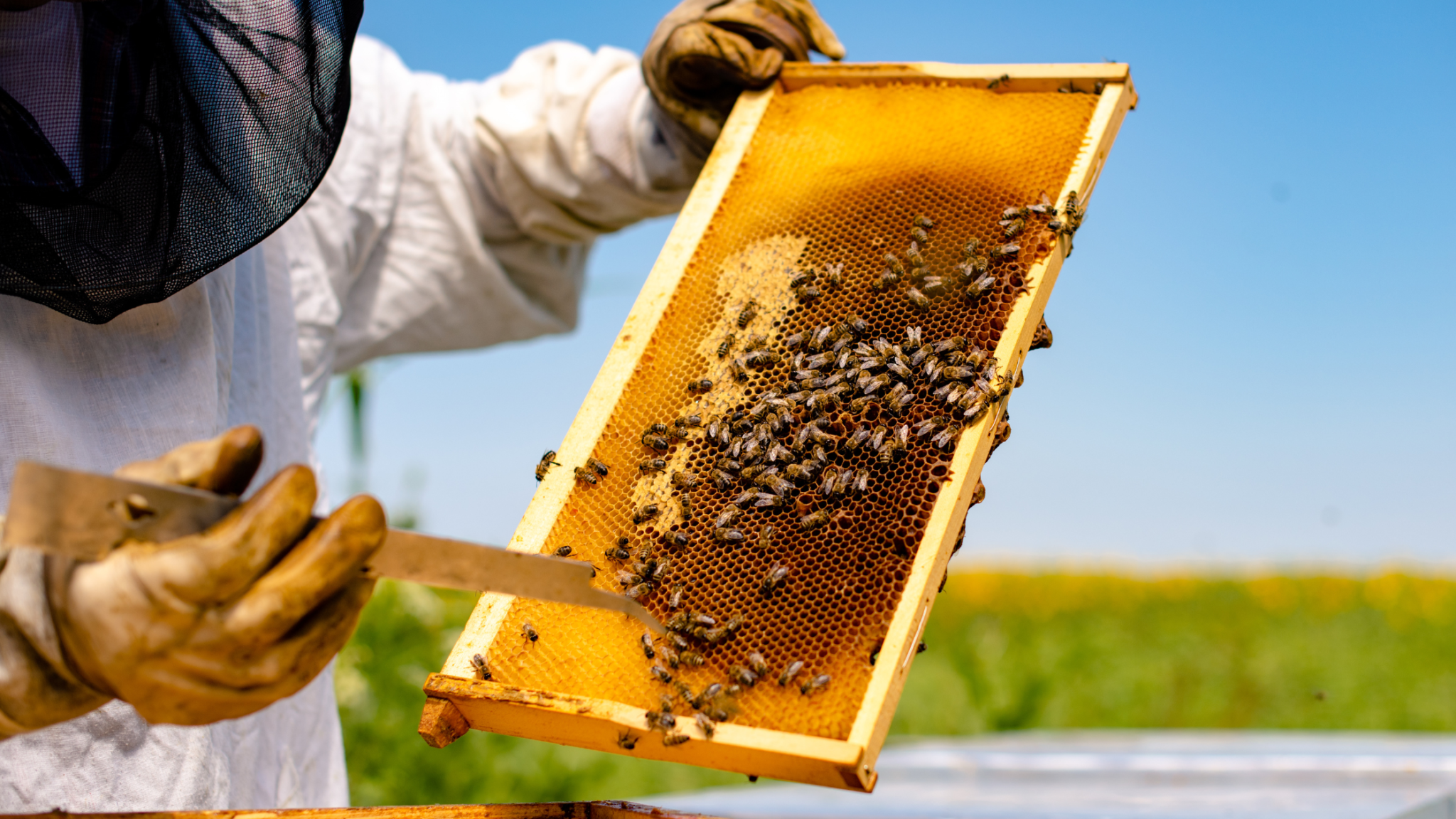
Beekeeping | Beginner's Guide to Beekeeping - Fresh Hobby