When you first hear the buzz of a hive, the idea of turning that gentle hum into golden honey can feel both magical and daunting. In this guide we walk you through the essentials of how to beekeeping for honey, from choosing your first colony to harvesting the sweet reward, all framed for the curious beginner ready to dive in.
Selecting Your First Hive
Start with a complete starter kit—often a Langstroth hive with a brood box, honey super, and a screened bottom board. Retailers typically include a “package” of one or two frames of bees, a queen, and a small amount of honey to keep the colony fed. Position the hive in a sunny spot shielded from strong winds, ideally 6–8 feet off the ground, and within easy reach of a water source.
Understanding Bee Behavior
New beekeepers benefit from knowing why bees work the way they do. Worker bees forage within a 3‑mile radius, returning with nectar that they convert to honey through enzyme activity and evaporation. The queen’s sole job is egg‑laying, while drones exist only to mate. Recognizing these roles helps you interpret what you see on the frames—whether it’s a healthy brood pattern or the need to add a honey super.
Essential Gear for Safe Management
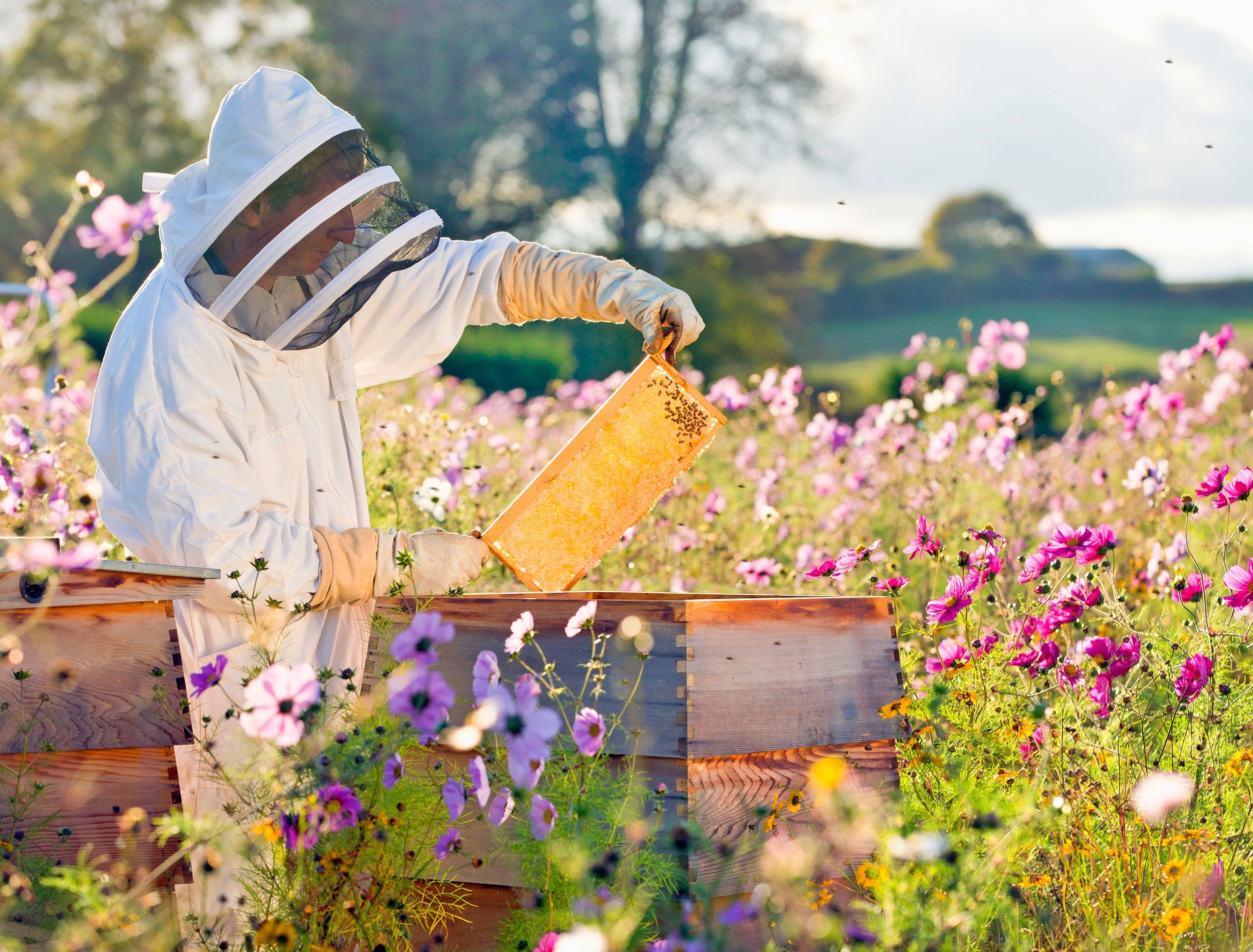
Protective clothing isn’t just for show; it limits the risk of stings and keeps the bees calm. A basic set includes a beekeeping veil, gloves, and a light jacket. A hive tool—essentially a multi‑purpose pry bar—lets you lift frames and scrape away excess propolis without disturbing the colony too much.
First Inspection: What to Look For
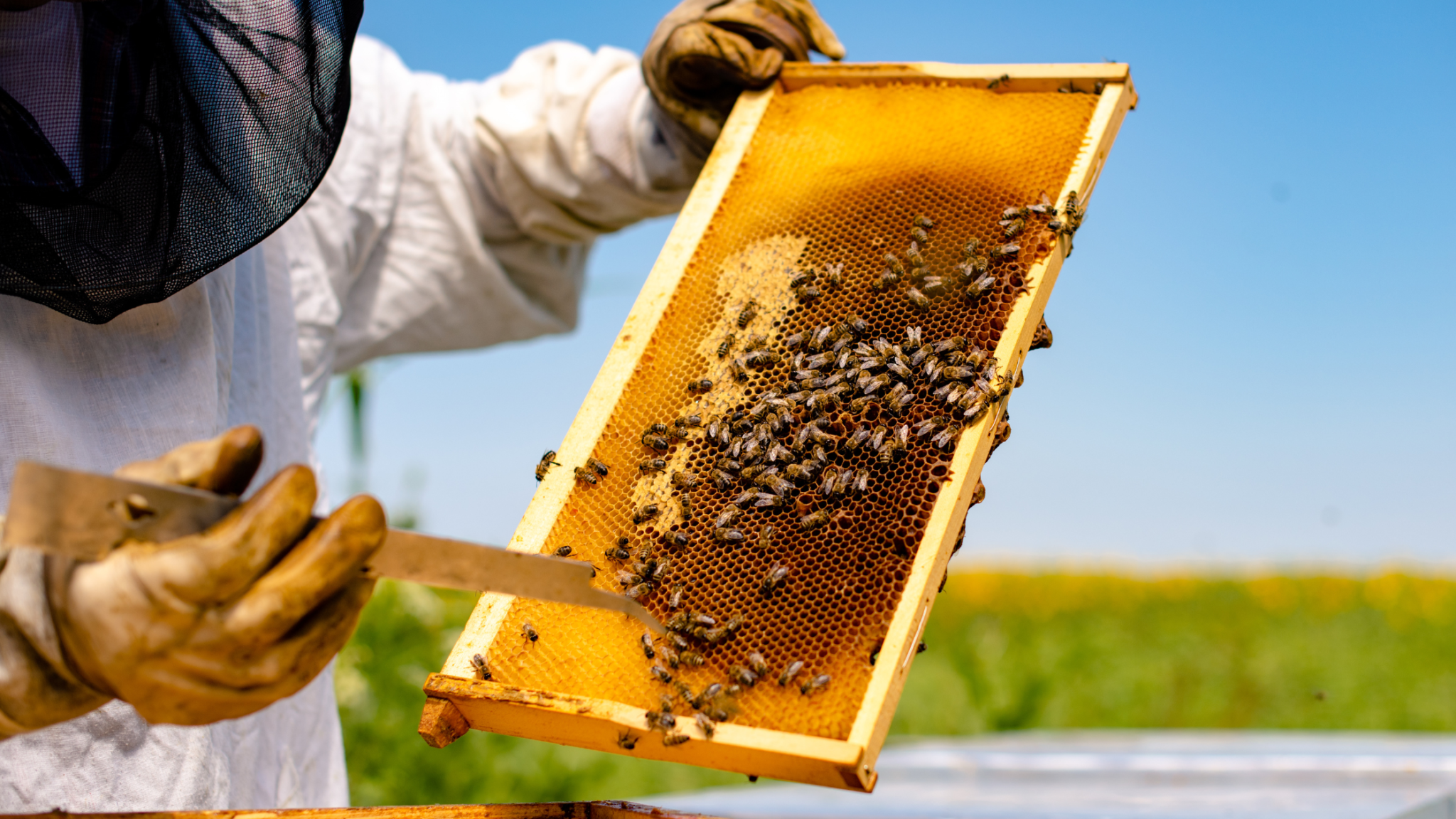
Give your new bees a week to settle before the inaugural inspection. Open the hive gently, lift each frame, and check for a packed brood area and a few strips of capped honey. If the brood looks spotty or there are many queen cells, consider re‑queening later in the season. A quick visual check also confirms that the hive’s interior remains clean and free of pests.
Feeding and Seasonal Care
During early spring or a dry spell, supplement the bees with a sugar syrup (1 part water to 1 part white sugar) using a feeder placed on the outermost frame. This boosts colony strength before nectar flow begins. In colder months, ensure the hive is insulated and the entrance reduced to keep drafts out while still allowing ventilation.
Harvesting Your First Honey

When the honeycomb frames are at least 80% capped, it’s time to harvest. Remove the frames, brush off any bees, and place them in a honey extractor—a centrifuge that spins the honey out without damaging the comb. Filter the liquid, let it settle, then bottle. A single deep super can yield 30‑60 pounds of honey, depending on local nectar flow.
Continuing Education and Community
Local beekeeping clubs and extension services often host workshops, swarm checks, and seasonal meetings. Engaging with seasoned apiarists provides practical tips—like how to manage varroa mites organically or troubleshoot a weak queen—and keeps you connected to the broader honey‑making community.
When you first hear the buzz of a hive, the idea of turning that gentle hum into golden honey can feel both magical and daunting. In this guide we walk you through the essentials of how to beekeeping for honey, from choosing your first colony to harvesting the sweet reward, all framed for the curious beginner ready to dive in.
Selecting Your First Hive
Start with a complete starter kit—often a Langstroth hive with a brood box, honey super, and a screened bottom board. Retailers typically include a “package” of one or two frames of bees, a queen, and a small amount of honey to keep the colony fed. Position the hive in a sunny spot shielded from strong winds, ideally 6–8 feet off the ground, and within easy reach of a water source.
Understanding Bee Behavior
New beekeepers benefit from knowing why bees work the way they do. Worker bees forage within a 3‑mile radius, returning with nectar that they convert to honey through enzyme activity and evaporation. The queen’s sole job is egg‑laying, while drones exist only to mate. Recognizing these roles helps you interpret what you see on the frames—whether it’s a healthy brood pattern or the need to add a honey super.
Essential Gear for Safe Management
Protective clothing isn’t just for show; it limits the risk of stings and keeps the bees calm. A basic set includes a beekeeping veil, gloves, and a light jacket. A hive tool—essentially a multi‑purpose pry bar—lets you lift frames and scrape away excess propolis without disturbing the colony too much.
First Inspection: What to Look For
Give your new bees a week to settle before the inaugural inspection. Open the hive gently, lift each frame, and check for a packed brood area and a few strips of capped honey. If the brood looks spotty or there are many queen cells, consider re‑queening later in the season. A quick visual check also confirms that the hive’s interior remains clean and free of pests.
Feeding and Seasonal Care
During early spring or a dry spell, supplement the bees with a sugar syrup (1 part water to 1 part white sugar) using a feeder placed on the outermost frame. This boosts colony strength before nectar flow begins. In colder months, ensure the hive is insulated and the entrance reduced to keep drafts out while still allowing ventilation.
Harvesting Your First Honey
When the honeycomb frames are at least 80% capped, it’s time to harvest. Remove the frames, brush off any bees, and place them in a honey extractor—a centrifuge that spins the honey out without damaging the comb. Filter the liquid, let it settle, then bottle. A single deep super can yield 30‑60 pounds of honey, depending on local nectar flow.
Continuing Education and Community
Local beekeeping clubs and extension services often host workshops, swarm checks, and seasonal meetings. Engaging with seasoned apiarists provides practical tips—like how to manage varroa mites organically or troubleshoot a weak queen—and keeps you connected to the broader honey‑making community.
Certificate III In Beekeeping AHC31818 Now Available At Melbourne

Certificate III in Beekeeping AHC31818 now available at Melbourne ...
Beekeeping For Beginners – Artofit

Beekeeping for beginners – Artofit
Beginner's Tips For Urban Beekeeping Success
Beginner's Tips For Urban Beekeeping Success
Beginner Beekeeping Class | Gees Bees Honey Co

Beginner Beekeeping Class | Gees Bees Honey Co
Beekeeping | Beginner's Guide To Beekeeping - Fresh Hobby
Beekeeping | Beginner's Guide to Beekeeping - Fresh Hobby