Keeping honey bees can be a rewarding extension of any backyard gardening venture, but it also demands a realistic assessment of the pros, trade‑offs, and long‑term commitments involved. Below are scenario‑based insights that let seasoned hobbyists decide whether a hive fits their goals and how to manage it efficiently.
When You Want a Reliable Pollinator for a Small Orchard
An established colony can boost fruit set on apples, berries, and stone fruits by 20‑30 % compared with relying on wild pollinators alone. Choose a Langstroth hive with 10‑frame deep boxes; this size provides enough brood space for a steady population while staying manageable on a 1‑acre plot. Expect to inspect the hive every 7‑10 days during spring nectar flow, checking for queen health, brood pattern, and sufficient food stores.
When You Prioritize Honey Production Over Pollination
If honey yield is the main goal, opt for a larger colony with a super‑bottom board and two honey supers in late summer. A well‑fed, disease‑free hive can produce 30‑60 lb (≈ 14‑27 kg) of surplus honey per season. However, larger hives increase the risk of Varroa mite buildup; implementing a quarterly monitoring schedule with alcohol‑washed mites or sticky boards becomes essential.
When Space Is Limited and You Need a Low‑Maintenance System
For urban backyards or rooftops, the top‑bar hive or Warre “mini‑hive” offers compact dimensions and a reduced inspection footprint. These designs minimize frame handling, which can be appealing for hobbyists who prefer a “set‑and‑forget” approach. The trade‑off is a lower honey yield—typically under 20 lb (≈ 9 kg) annually—and a slightly higher winter loss rate due to limited insulation.
When You Face Seasonal Climate Challenges
In regions with harsh winters, such as the northern United States, overwintering survival hinges on proper hive insulation and adequate stored food. Stack a shippable “winter box” or wrap the hive in breathable insulation panels, and ensure at least 60 lb (≈ 27 kg) of honey or supplemental sugar syrup is present for each colony. Failure to meet these thresholds often leads to winter mortality, negating the season’s work.
When Managing Varroa and Other Pests Is Non‑Negotiable
Even experienced keepers must integrate integrated pest management (IPM). Use a combination of mechanical methods—like screened bottom boards—and chemical treatments, such as oxalic acid vaporization, timed to brood‑free periods. For a 10‑frame hive, a single treatment per year can keep mite levels below 2 %, preserving colony health without compromising honey quality.
When You Want Sustainable Practices That Complement the Ecosystem
Adopt natural beekeeping principles: provide native plantings that bloom sequentially, install pollen traps sparingly to avoid depleting colony nutrition, and avoid synthetic wax comb replacements. These steps enhance local biodiversity while still delivering a modest honey harvest. The trade‑off is slower colony buildup, so plan for a longer ramp‑up period before reaching peak productivity.
Keeping honey bees can be a rewarding extension of any backyard gardening venture, but it also demands a realistic assessment of the pros, trade‑offs, and long‑term commitments involved. Below are scenario‑based insights that let seasoned hobbyists decide whether a hive fits their goals and how to manage it efficiently.
When You Want a Reliable Pollinator for a Small Orchard
An established colony can boost fruit set on apples, berries, and stone fruits by 20‑30 % compared with relying on wild pollinators alone. Choose a Langstroth hive with 10‑frame deep boxes; this size provides enough brood space for a steady population while staying manageable on a 1‑acre plot. Expect to inspect the hive every 7‑10 days during spring nectar flow, checking for queen health, brood pattern, and sufficient food stores.
When You Prioritize Honey Production Over Pollination
If honey yield is the main goal, opt for a larger colony with a super‑bottom board and two honey supers in late summer. A well‑fed, disease‑free hive can produce 30‑60 lb (≈ 14‑27 kg) of surplus honey per season. However, larger hives increase the risk of Varroa mite buildup; implementing a quarterly monitoring schedule with alcohol‑washed mites or sticky boards becomes essential.
When Space Is Limited and You Need a Low‑Maintenance System
For urban backyards or rooftops, the top‑bar hive or Warre “mini‑hive” offers compact dimensions and a reduced inspection footprint. These designs minimize frame handling, which can be appealing for hobbyists who prefer a “set‑and‑forget” approach. The trade‑off is a lower honey yield—typically under 20 lb (≈ 9 kg) annually—and a slightly higher winter loss rate due to limited insulation.
When You Face Seasonal Climate Challenges
In regions with harsh winters, such as the northern United States, overwintering survival hinges on proper hive insulation and adequate stored food. Stack a shippable “winter box” or wrap the hive in breathable insulation panels, and ensure at least 60 lb (≈ 27 kg) of honey or supplemental sugar syrup is present for each colony. Failure to meet these thresholds often leads to winter mortality, negating the season’s work.
When Managing Varroa and Other Pests Is Non‑Negotiable
Even experienced keepers must integrate integrated pest management (IPM). Use a combination of mechanical methods—like screened bottom boards—and chemical treatments, such as oxalic acid vaporization, timed to brood‑free periods. For a 10‑frame hive, a single treatment per year can keep mite levels below 2 %, preserving colony health without compromising honey quality.
When You Want Sustainable Practices That Complement the Ecosystem
Adopt natural beekeeping principles: provide native plantings that bloom sequentially, install pollen traps sparingly to avoid depleting colony nutrition, and avoid synthetic wax comb replacements. These steps enhance local biodiversity while still delivering a modest honey harvest. The trade‑off is slower colony buildup, so plan for a longer ramp‑up period before reaching peak productivity.
Best Note-Taking Apps In 2025 – Ultimate Guide - Note-taking Apps

Best Note-Taking Apps in 2025 – Ultimate Guide - Note-taking Apps
Keep 見方 – Google Keep 使い方 初心者 – XOIJO

keep 見方 – google keep 使い方 初心者 – XOIJO
Google Keep App Design Concept

Google Keep App Design Concept
What Photos To Keep At Steven Messenger Blog
What Photos To Keep at Steven Messenger blog
Google Keep Is The Next App To Get Google's Modern Material Design
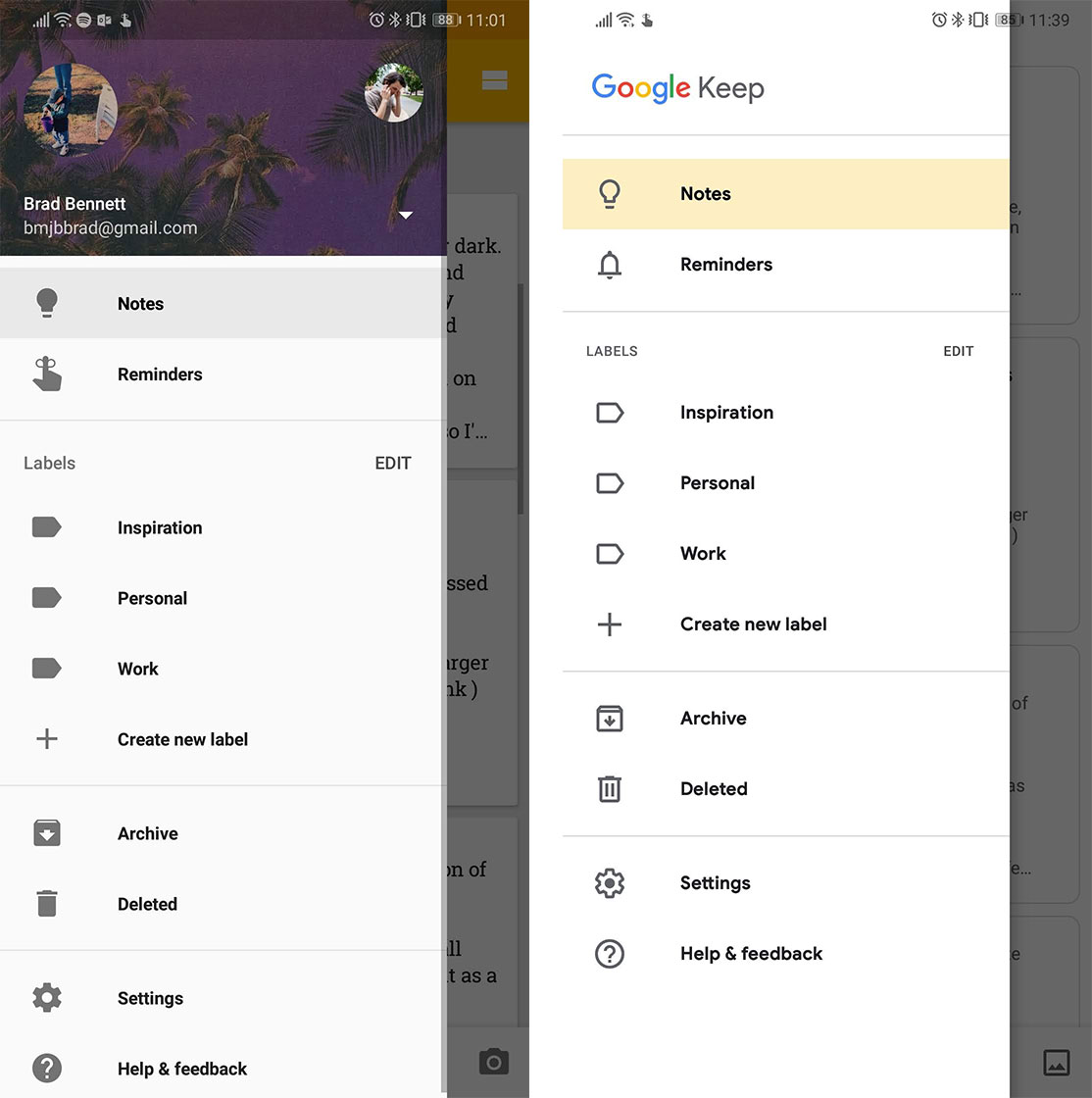
Google Keep is the next app to get Google's modern Material Design