Modern beekeeping has captured the public imagination, moving beyond agricultural fields into urban rooftops and suburban backyards. Yet, beneath the romanticized notion of harvesting your own honey lies a rigorous agricultural practice. Before you order your first nuc (nucleus colony), it is vital to approach the hobby with a clear-eyed view of the demands involved. These beekeeping tips for beginners focus on the trade-offs, environmental factors, and the steep learning curve required to keep healthy hives.
Is the Investment Worth the Yield?
Starting an apiary is not a low-cost endeavor. While the allure of "free" honey is strong, the initial capital outlay for hives, protective gear, and the bees themselves can be significant. Beginners often underestimate the non-monetary costs: time and education. You are not merely housing insects; you are managing livestock. Success depends on your willingness to inspect the hive every seven to ten days during the active season to monitor for disease, pests, and the queen's productivity. If your motivation is solely saving money on groceries, the ROI (Return on Investment) will take several years to materialize, if at all.
Should You Start With Formal Training?

While YouTube offers a wealth of visual tutorials, it cannot replace the tactile feedback gained from a mentorship or a local beekeeping course. Making mistakes with a virtual colony is harmless; making errors with a living colony can be fatal for the bees and stressful for you. Classes provide a safe environment to learn frame handling and swarm prevention before you face thousands of stinging insects. Furthermore, connecting with a local club bridges the gap between theory and regional reality, as beekeeping practices vary wildly between climates.
Can You Successfully Keep Bees in the City?
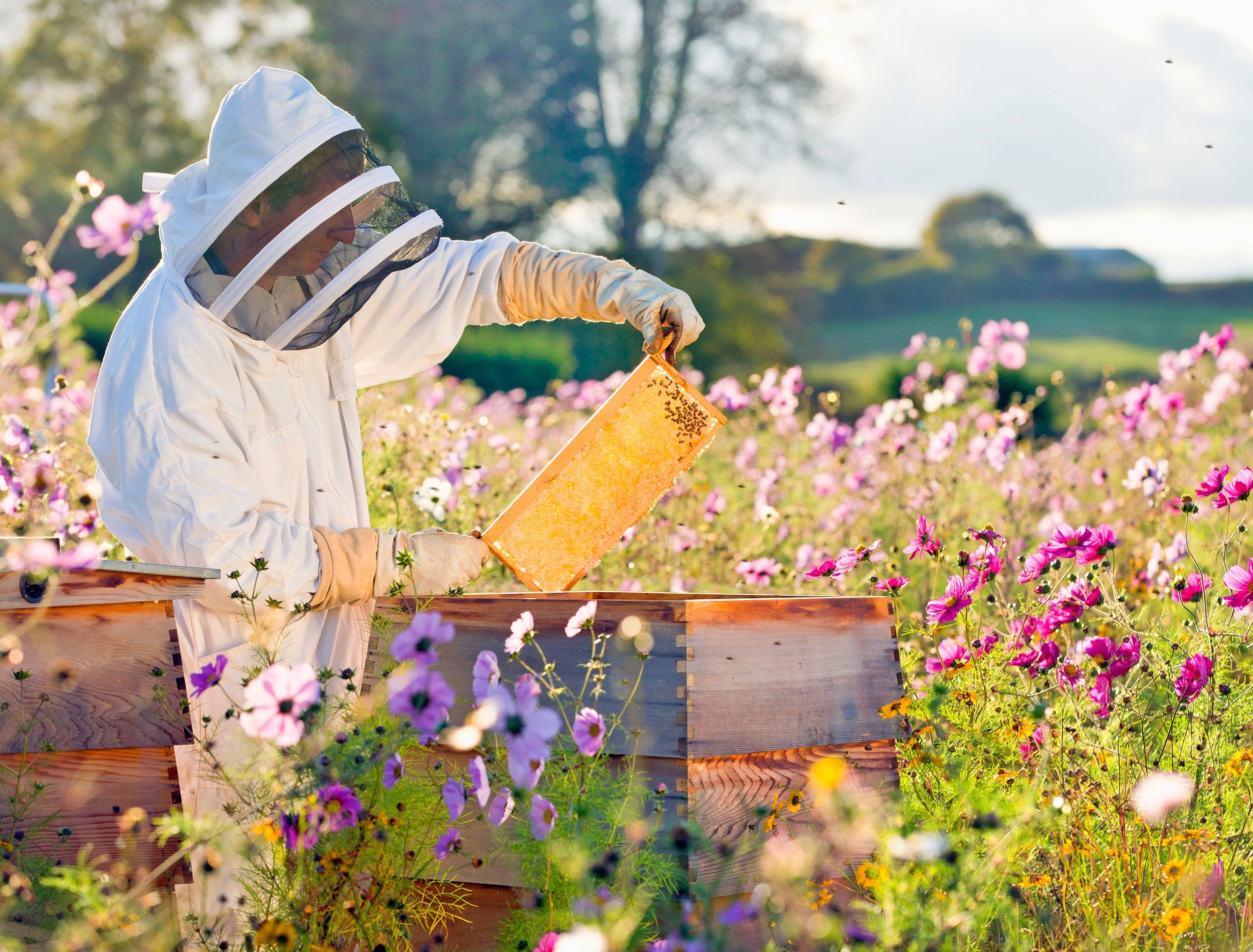
Urban beekeeping is a burgeoning trend driven by the lack of agricultural pesticides and the diversity of city landscaping. However, it requires distinct consideration for neighborly relations and space management. Bees do not respect property lines, and their flight paths must be directed above head height to avoid collisions with pedestrians. Urban beekeepers must also ensure their bees have adequate water sources to prevent them from seeking out neighbors' pools or birdbaths. While forage can be abundant in cities, the density of hives can sometimes lead to competition for nectar, requiring careful planning.
What Gear Is Absolutely Essential?
New beekeepers often face "analysis paralysis" when shopping for equipment, but some items are non-negotiable for safety and hive health. A full suit and veil are recommended until you develop a calm demeanor and confidence in handling stinging insects. Beyond personal protection, focus your budget on high-quality hive tools and a smoker. The smoker is your primary tool for managing colony behavior; without it, inspecting a defensive colony can quickly become a dangerous situation. Avoid "cheaping out" on woodenware, as poorly constructed hives can warp, leading to gaps that encourage pests like wax moths or mice.
What Are the Risks to Colony Survival?
Optimism is necessary to start, but resilience is what keeps beekeepers going. The first year is the hardest, with high rates of colony loss due to Varroa mites, starvation, or queen failure. You must be prepared for the possibility that your colony may not survive the winter, despite your best efforts. Understanding that loss is part of the cycle will help you bounce back. Treat your first season as a learning period where the goal is colony health rather than maximum honey production. By prioritizing the bees' welfare over the harvest, you establish the foundation for sustainable beekeeping.
Modern beekeeping has captured the public imagination, moving beyond agricultural fields into urban rooftops and suburban backyards. Yet, beneath the romanticized notion of harvesting your own honey lies a rigorous agricultural practice. Before you order your first nuc (nucleus colony), it is vital to approach the hobby with a clear-eyed view of the demands involved. These beekeeping tips for beginners focus on the trade-offs, environmental factors, and the steep learning curve required to keep healthy hives.
Is the Investment Worth the Yield?
Starting an apiary is not a low-cost endeavor. While the allure of "free" honey is strong, the initial capital outlay for hives, protective gear, and the bees themselves can be significant. Beginners often underestimate the non-monetary costs: time and education. You are not merely housing insects; you are managing livestock. Success depends on your willingness to inspect the hive every seven to ten days during the active season to monitor for disease, pests, and the queen's productivity. If your motivation is solely saving money on groceries, the ROI (Return on Investment) will take several years to materialize, if at all.
Should You Start With Formal Training?
While YouTube offers a wealth of visual tutorials, it cannot replace the tactile feedback gained from a mentorship or a local beekeeping course. Making mistakes with a virtual colony is harmless; making errors with a living colony can be fatal for the bees and stressful for you. Classes provide a safe environment to learn frame handling and swarm prevention before you face thousands of stinging insects. Furthermore, connecting with a local club bridges the gap between theory and regional reality, as beekeeping practices vary wildly between climates.
Can You Successfully Keep Bees in the City?
Urban beekeeping is a burgeoning trend driven by the lack of agricultural pesticides and the diversity of city landscaping. However, it requires distinct consideration for neighborly relations and space management. Bees do not respect property lines, and their flight paths must be directed above head height to avoid collisions with pedestrians. Urban beekeepers must also ensure their bees have adequate water sources to prevent them from seeking out neighbors' pools or birdbaths. While forage can be abundant in cities, the density of hives can sometimes lead to competition for nectar, requiring careful planning.
What Gear Is Absolutely Essential?
New beekeepers often face "analysis paralysis" when shopping for equipment, but some items are non-negotiable for safety and hive health. A full suit and veil are recommended until you develop a calm demeanor and confidence in handling stinging insects. Beyond personal protection, focus your budget on high-quality hive tools and a smoker. The smoker is your primary tool for managing colony behavior; without it, inspecting a defensive colony can quickly become a dangerous situation. Avoid "cheaping out" on woodenware, as poorly constructed hives can warp, leading to gaps that encourage pests like wax moths or mice.
What Are the Risks to Colony Survival?
Optimism is necessary to start, but resilience is what keeps beekeepers going. The first year is the hardest, with high rates of colony loss due to Varroa mites, starvation, or queen failure. You must be prepared for the possibility that your colony may not survive the winter, despite your best efforts. Understanding that loss is part of the cycle will help you bounce back. Treat your first season as a learning period where the goal is colony health rather than maximum honey production. By prioritizing the bees' welfare over the harvest, you establish the foundation for sustainable beekeeping.
Certificate III In Beekeeping AHC31818 Now Available At Melbourne

Certificate III in Beekeeping AHC31818 now available at Melbourne ...
Beekeeping For Beginners – Artofit

Beekeeping for beginners – Artofit
Beginner Beekeeping Class | Gees Bees Honey Co

Beginner Beekeeping Class | Gees Bees Honey Co
Beekeeping | Beginner's Guide To Beekeeping - Fresh Hobby
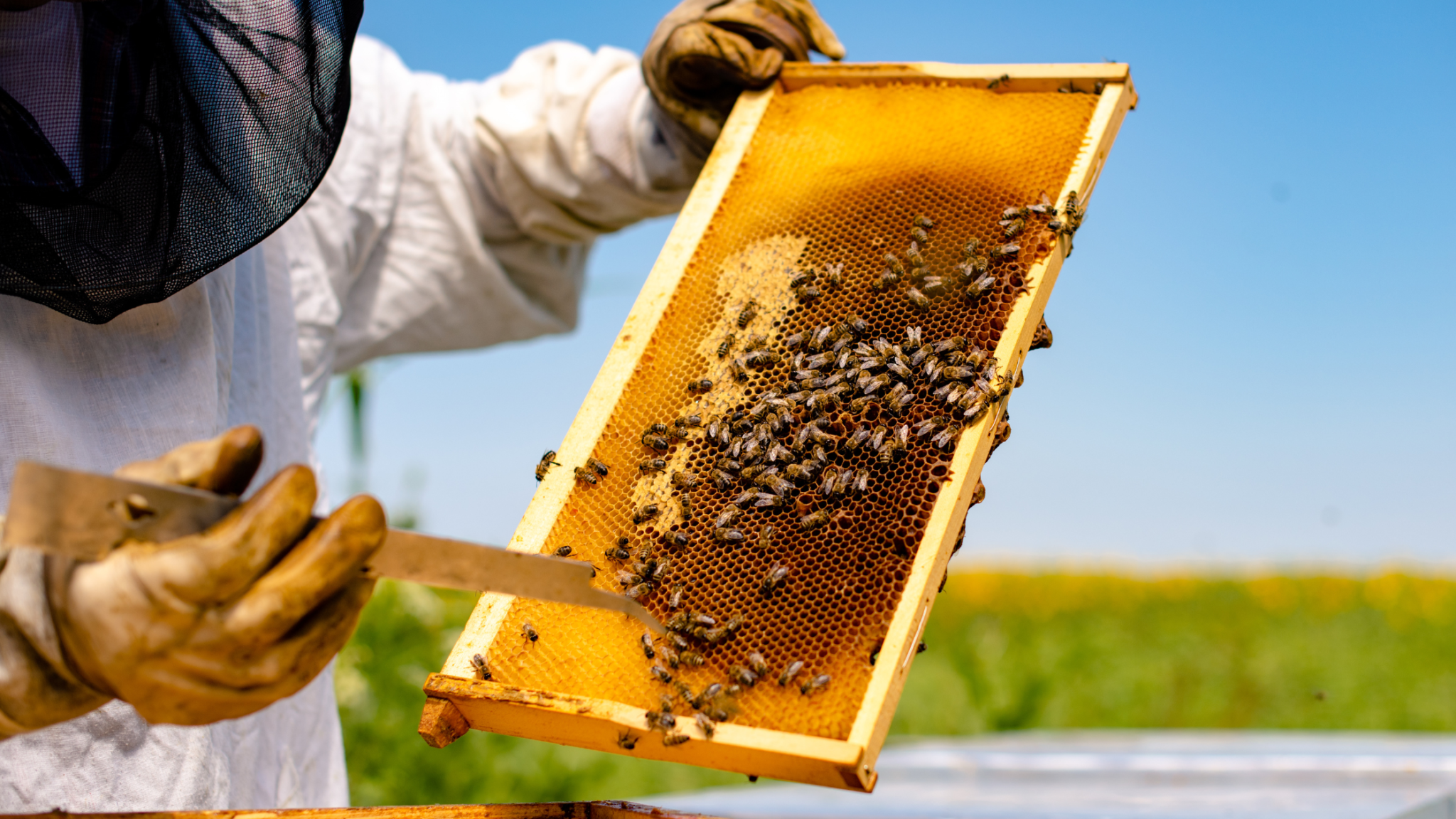
Beekeeping | Beginner's Guide to Beekeeping - Fresh Hobby