For the busy practical reader, diving into a new hobby requires efficiency, and few resources bridge the gap between theory and practice better than **beekeeping for beginners videos**. While books offer valuable biological context, visual demonstrations allow you to observe the subtle movements and pacing required to manage a hive without agitating the colony. By watching experienced apiarists handle real-world scenarios, you can bypass common early mistakes and focus on building a thriving environment for your bees.
Visualize Your Equipment Setup

One of the most significant hurdles for new beekeepers is simply assembling the confusing array of wooden parts and tools. A comprehensive video will walk you through the assembly of Langstroth hives or Top Bar styles, showing exactly how to space the frames for optimal bee health. Pay close attention to segments that demonstrate the correct use of the smoker and the hive tool; seeing the leverage applied in real-time helps you understand how to pry apart propolis-stuck boxes without crushing your insects or damaging the wood.
Master Calm Hive Inspections
Text descriptions often fail to convey the urgency—or lack thereof—required during an inspection. The best instructional clips emphasize slow, deliberate movements. Look for content that illustrates how to remove a frame with both hands, keeping it over the hive box to prevent the queen from falling if she is present. A useful video will also highlight the "buzz volume" of the hive, teaching you to listen to the colony's mood. If the noise rises sharply, the footage should show the beekeeper pausing or applying more smoke, providing a clear cue for when to back off and let the bees settle.
Observe Proper Frame Handling

Understanding what you see on a frame is critical for diagnosing the health of your colony. Visual guides allow you to zoom in on the difference between worker brood, drone cells, and honey stores. Use these resources to learn how to identify eggs, which are tiny and difficult to spot without knowing exactly where to look. Recognizing the presence of eggs is often the only way to confirm a queen is laying, as she can be elusive. High-definition footage helps you memorize these patterns before you ever crack the lid of your own hive.
Identify Common Pests and Diseases
Visual learning is indispensable when it comes to biosecurity. Reading about Varroa mites or Small Hive Beetles is useful, but seeing them on screen prepares you for the reality of identification. Actionable videos will demonstrate testing methods, such as the sugar shake or alcohol wash, so you can perform these procedures accurately. They should also show healthy brood patterns compared to diseased ones, enabling you to spot issues like chalkbrood or American foulbrood early. This visual recognition is your first line of defense in preventing pests from decimating your new colony.
For the busy practical reader, diving into a new hobby requires efficiency, and few resources bridge the gap between theory and practice better than **beekeeping for beginners videos**. While books offer valuable biological context, visual demonstrations allow you to observe the subtle movements and pacing required to manage a hive without agitating the colony. By watching experienced apiarists handle real-world scenarios, you can bypass common early mistakes and focus on building a thriving environment for your bees.
Visualize Your Equipment Setup
One of the most significant hurdles for new beekeepers is simply assembling the confusing array of wooden parts and tools. A comprehensive video will walk you through the assembly of Langstroth hives or Top Bar styles, showing exactly how to space the frames for optimal bee health. Pay close attention to segments that demonstrate the correct use of the smoker and the hive tool; seeing the leverage applied in real-time helps you understand how to pry apart propolis-stuck boxes without crushing your insects or damaging the wood.
Master Calm Hive Inspections
Text descriptions often fail to convey the urgency—or lack thereof—required during an inspection. The best instructional clips emphasize slow, deliberate movements. Look for content that illustrates how to remove a frame with both hands, keeping it over the hive box to prevent the queen from falling if she is present. A useful video will also highlight the "buzz volume" of the hive, teaching you to listen to the colony's mood. If the noise rises sharply, the footage should show the beekeeper pausing or applying more smoke, providing a clear cue for when to back off and let the bees settle.
Observe Proper Frame Handling
Understanding what you see on a frame is critical for diagnosing the health of your colony. Visual guides allow you to zoom in on the difference between worker brood, drone cells, and honey stores. Use these resources to learn how to identify eggs, which are tiny and difficult to spot without knowing exactly where to look. Recognizing the presence of eggs is often the only way to confirm a queen is laying, as she can be elusive. High-definition footage helps you memorize these patterns before you ever crack the lid of your own hive.
Identify Common Pests and Diseases
Visual learning is indispensable when it comes to biosecurity. Reading about Varroa mites or Small Hive Beetles is useful, but seeing them on screen prepares you for the reality of identification. Actionable videos will demonstrate testing methods, such as the sugar shake or alcohol wash, so you can perform these procedures accurately. They should also show healthy brood patterns compared to diseased ones, enabling you to spot issues like chalkbrood or American foulbrood early. This visual recognition is your first line of defense in preventing pests from decimating your new colony.
Beekeeping | Beginner's Guide To Beekeeping - Fresh Hobby
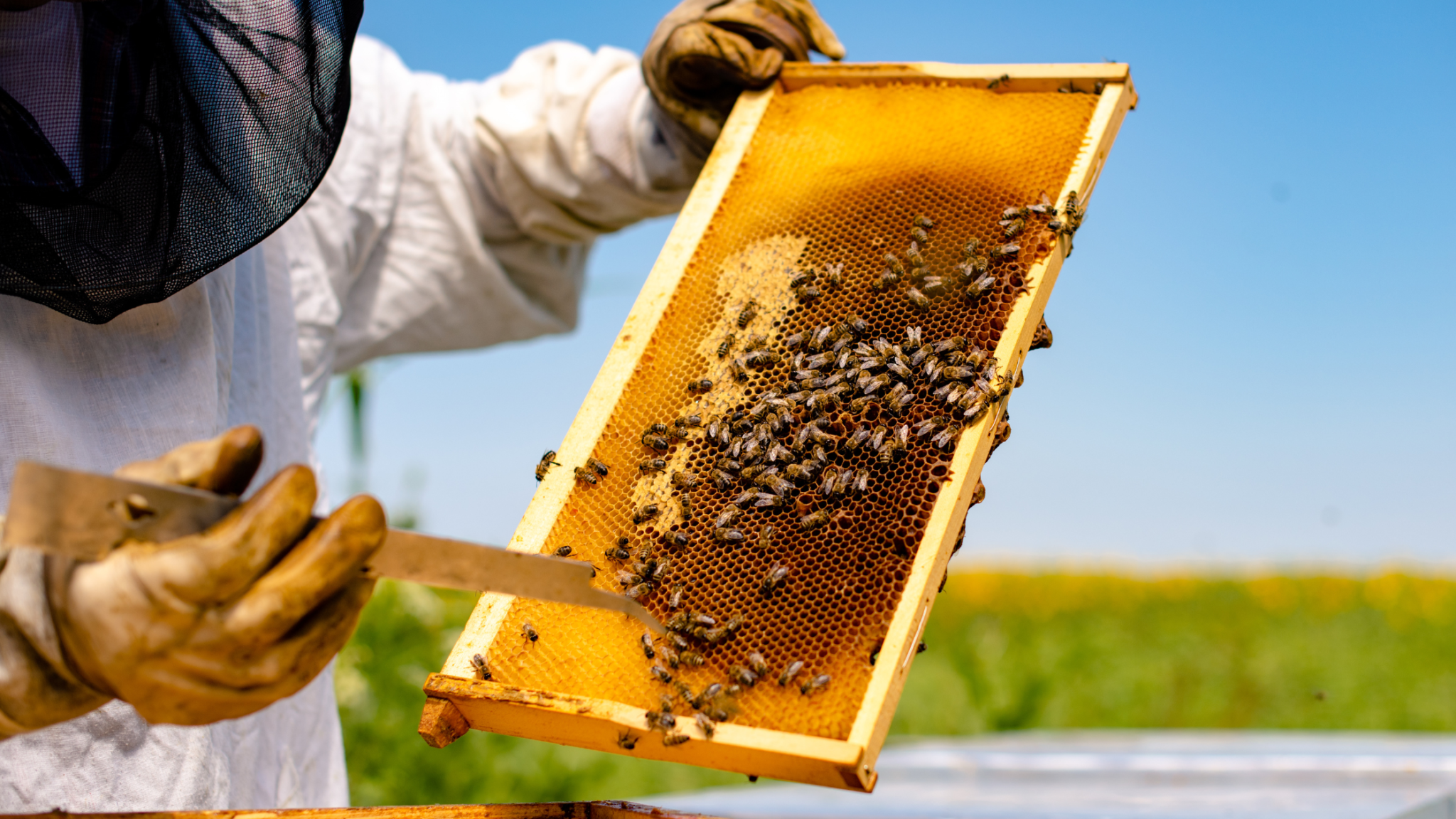
Beekeeping | Beginner's Guide to Beekeeping - Fresh Hobby
Beginner's Tips For Urban Beekeeping Success
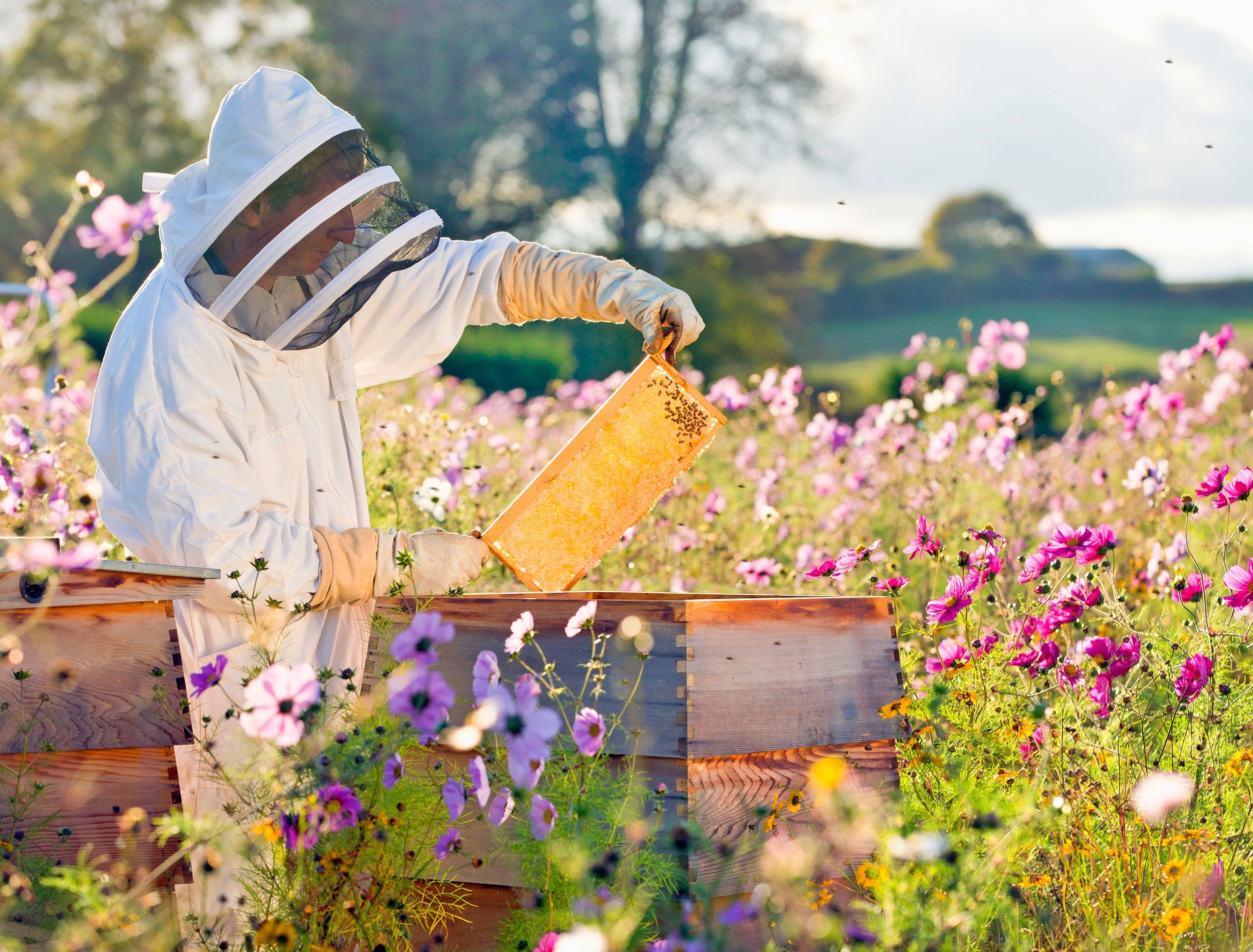
Beginner's Tips For Urban Beekeeping Success
Beginner Beekeeping Class | Gees Bees Honey Co

Beginner Beekeeping Class | Gees Bees Honey Co
Certificate III In Beekeeping AHC31818 Now Available At Melbourne

Certificate III in Beekeeping AHC31818 now available at Melbourne ...