Starting an apiary is a rewarding endeavor, but managing a colony requires more than just purchasing a box and installing bees. New keepers often struggle because they focus entirely on honey production rather than colony health. This effective beekeeping guide for beginners focuses on identifying frequent errors and adopting smarter management habits to ensure your hive survives and thrives through the seasons.
Have You Optimized Your Hive Placement?
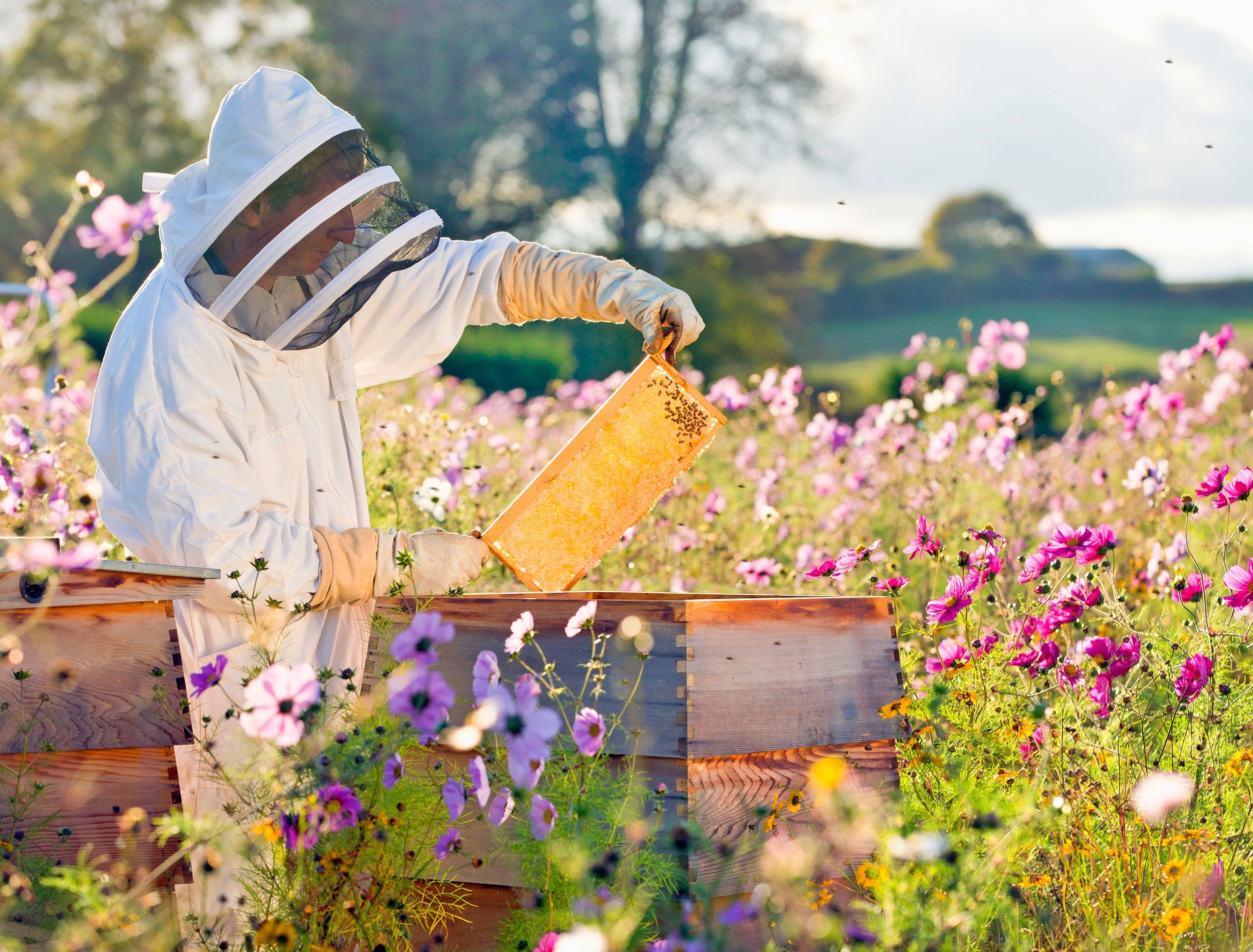
A common mistake is placing hives in a convenient spot for the beekeeper rather than the bees. tucking a hive into a damp, shaded corner can lead to moisture issues and fungal growth. Instead, prioritize early morning sun to stimulate foraging activity while ensuring some afternoon shade to prevent overheating. Elevate the hive at least 12 to 18 inches off the ground to discourage predators like skunks and to save your back during inspections. Additionally, ensure the entrance faces away from high-traffic human areas to minimize accidental disturbances.
Are You Over-Inspecting Your Colony?
Novice researchers often feel the need to open the hive constantly to check progress, but this is a critical error. Every time you break the propolis seal, you disturb the carefully regulated internal temperature and humidity, which stresses the colony. Instead of weekly checks, limit full inspections to once every 10 to 14 days. Look for external signs of health instead of opening the hive unnecessarily:
- Activity at the entrance: Bees should be coming and going with pollen loads on warm days.
- Dead bees: A small pile of dead bees is normal in spring, but large numbers may signal disease or pesticide exposure.
- Robbing behavior: Frenzied fighting or bees hovering at cracks suggests a weak hive being robbed by stronger neighbors.
Which Safety Gear Is Non-Negotiable?
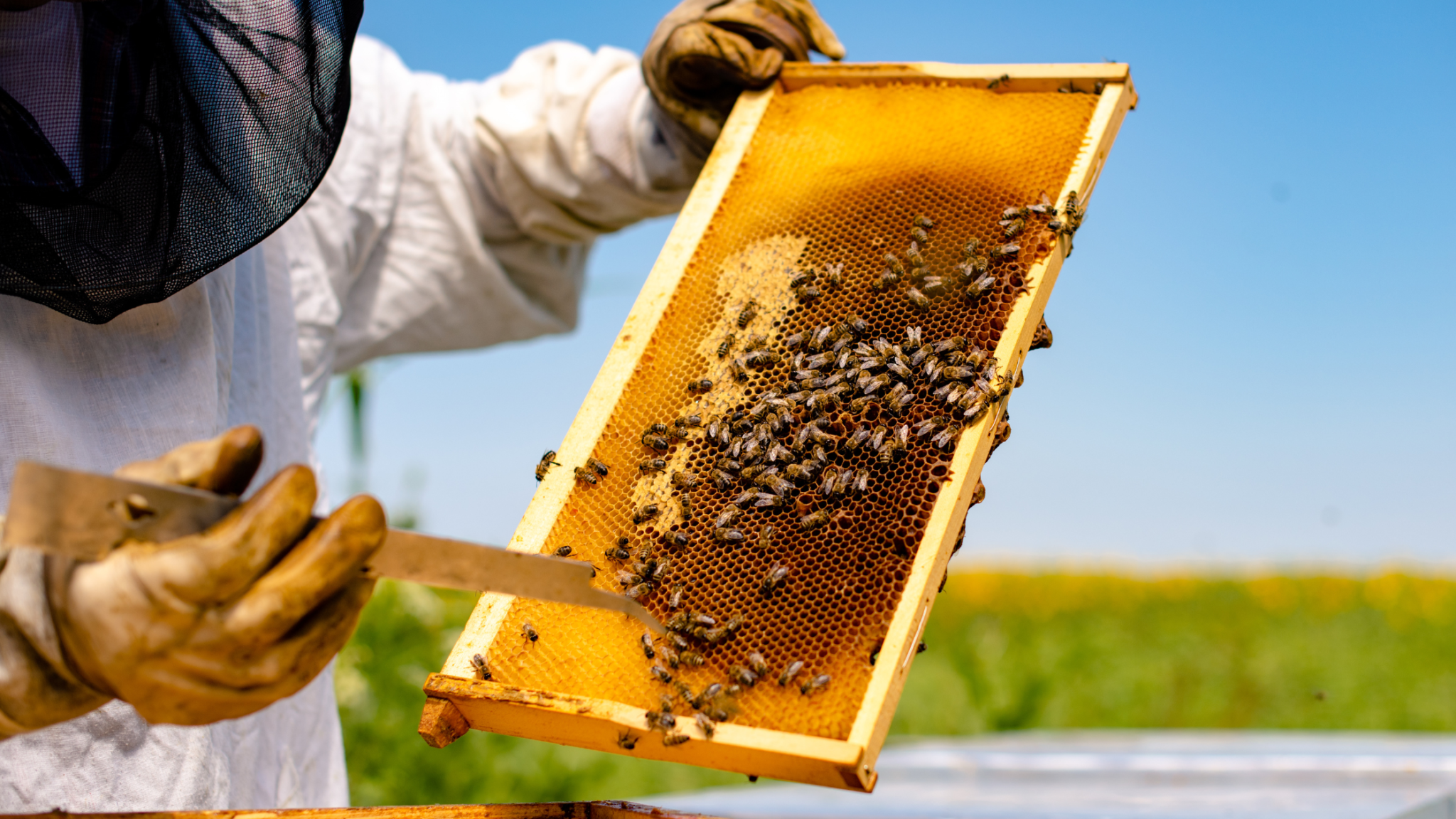
Skipping protective equipment is a rookie mistake that usually ends with the beekeeper quitting after one bad sting. While some experienced keepers work without gloves, beginners need a full suit and a veil that is securely zipped. The "smarter alternative" here is not just buying gear, but choosing the right type. Avoid bulky, canvas suits that trap heat; opt for a ventilated jacket made of layered mesh. It is also vital to invest in a high-quality smoker with a protective guard. A well-placed puff of cool smoke disrupts the bees' alarm pheromones, allowing you to work calmly without triggering a defensive frenzy.
Do You Understand Seasonal Nutrition Needs?
Many beginners starve their colonies by harvesting too much honey or failing to supplement when natural nectar is scarce. The "honey flow" varies by region, but there is often a gap in mid-summer or early fall. Do not rely on the presence of honey supers as an indicator of colony health. The smart approach is to weigh your hives by hefting the back. If a hive feels light in late autumn, you must provide syrup or fondant. Harvesting honey in the first year is generally discouraged; the bees need those stores to survive their first winter.
Starting an apiary is a rewarding endeavor, but managing a colony requires more than just purchasing a box and installing bees. New keepers often struggle because they focus entirely on honey production rather than colony health. This effective beekeeping guide for beginners focuses on identifying frequent errors and adopting smarter management habits to ensure your hive survives and thrives through the seasons.
Have You Optimized Your Hive Placement?
A common mistake is placing hives in a convenient spot for the beekeeper rather than the bees. tucking a hive into a damp, shaded corner can lead to moisture issues and fungal growth. Instead, prioritize early morning sun to stimulate foraging activity while ensuring some afternoon shade to prevent overheating. Elevate the hive at least 12 to 18 inches off the ground to discourage predators like skunks and to save your back during inspections. Additionally, ensure the entrance faces away from high-traffic human areas to minimize accidental disturbances.
Are You Over-Inspecting Your Colony?
Novice researchers often feel the need to open the hive constantly to check progress, but this is a critical error. Every time you break the propolis seal, you disturb the carefully regulated internal temperature and humidity, which stresses the colony. Instead of weekly checks, limit full inspections to once every 10 to 14 days. Look for external signs of health instead of opening the hive unnecessarily:
- Activity at the entrance: Bees should be coming and going with pollen loads on warm days.
- Dead bees: A small pile of dead bees is normal in spring, but large numbers may signal disease or pesticide exposure.
- Robbing behavior: Frenzied fighting or bees hovering at cracks suggests a weak hive being robbed by stronger neighbors.
Which Safety Gear Is Non-Negotiable?
Skipping protective equipment is a rookie mistake that usually ends with the beekeeper quitting after one bad sting. While some experienced keepers work without gloves, beginners need a full suit and a veil that is securely zipped. The "smarter alternative" here is not just buying gear, but choosing the right type. Avoid bulky, canvas suits that trap heat; opt for a ventilated jacket made of layered mesh. It is also vital to invest in a high-quality smoker with a protective guard. A well-placed puff of cool smoke disrupts the bees' alarm pheromones, allowing you to work calmly without triggering a defensive frenzy.
Do You Understand Seasonal Nutrition Needs?
Many beginners starve their colonies by harvesting too much honey or failing to supplement when natural nectar is scarce. The "honey flow" varies by region, but there is often a gap in mid-summer or early fall. Do not rely on the presence of honey supers as an indicator of colony health. The smart approach is to weigh your hives by hefting the back. If a hive feels light in late autumn, you must provide syrup or fondant. Harvesting honey in the first year is generally discouraged; the bees need those stores to survive their first winter.
Beginner Beekeeping Class | Gees Bees Honey Co

Beginner Beekeeping Class | Gees Bees Honey Co
Certificate III In Beekeeping AHC31818 Now Available At Melbourne

Certificate III in Beekeeping AHC31818 now available at Melbourne ...
Beekeeping For Beginners – Artofit

Beekeeping for beginners – Artofit