Many people dream of harvesting their own honey and watching a bustling hive in the backyard. When you ask yourself "how do i start beekeeping," it is easy to focus on the romantic aspects: the sunny days, the pollination of your garden, and the golden reward. However, successful beekeeping requires a mix of scientific observation, physical labor, and consistent management. Before you order your first box of bees, it is crucial to weigh the benefits against the hard work and potential losses involved.
What Are the Real Costs and Time Commitments?
Starting this hobby is not as simple as buying a birdhouse. You should expect a significant upfront investment. A beginner needs a hive structure (often a Langstroth hive), protective gear including a veil and smoker, and essential tools like a hive tool and brush. On top of equipment, purchasing a package of bees or a nucleus colony (nuc) is an additional expense. Beyond the money, the time commitment is seasonal. You cannot install a hive and walk away. During the spring and summer, you need to inspect your colonies roughly every seven to ten days to check for disease, swarm prevention, and adequate food stores. In the winter, the workload drops significantly, but the preparation for that downtime happens during the busy months.
Do My Location and Local Laws Allow Hives?
Your immediate environment plays a massive role in your success. Bees need access to nectar and pollen sources within a two-mile radius. If you live in a food desert or an area with heavy pesticide use, your bees will struggle. Furthermore, you must check local municipal codes and homeowner association rules. Many cities require beekeepers to register their hives, maintain a water source to prevent bees from bothering neighbors, and adhere to setback distances from property lines. Even if it is legal, you must consider your neighbors. A polite conversation explaining your plans—and perhaps the promise of a future honey jar—can smooth over concerns about stings.
What Equipment Do I Absolutely Need?
It is tempting to buy every gadget available, but beginners should focus on the essentials. You will need a "bee suit" or at least a jacket and veil that zip together tightly; being stung on the face or neck is a common deterrent for new beekeepers. Gloves are helpful, though many experienced keepers eventually stop wearing them to improve dexterity. The most critical piece of hardware is the hive itself, usually consisting of boxes called supers, frames for the bees to build comb on, and foundation sheets. You will also need a smoker to calm the insects during inspections and a hive tool to pry apart sticky frames.
Am I Prepared for Colony Losses?
This is the least discussed but most important reality check. Even experienced beekeepers lose colonies. Pests like Varroa mites, diseases foulbrood, starvation, or extreme weather can wipe out a hive overnight. Starting beekeeping means accepting failure as part of the learning curve. It is often recommended to start with at least two hives if your budget allows. This allows you to compare the progress of the colonies and share resources if one colony becomes weak while another is strong. realistic expectations mean understanding that your first year might be about learning rather than collecting pounds of surplus honey.
Many people dream of harvesting their own honey and watching a bustling hive in the backyard. When you ask yourself "how do i start beekeeping," it is easy to focus on the romantic aspects: the sunny days, the pollination of your garden, and the golden reward. However, successful beekeeping requires a mix of scientific observation, physical labor, and consistent management. Before you order your first box of bees, it is crucial to weigh the benefits against the hard work and potential losses involved.
What Are the Real Costs and Time Commitments?
Starting this hobby is not as simple as buying a birdhouse. You should expect a significant upfront investment. A beginner needs a hive structure (often a Langstroth hive), protective gear including a veil and smoker, and essential tools like a hive tool and brush. On top of equipment, purchasing a package of bees or a nucleus colony (nuc) is an additional expense. Beyond the money, the time commitment is seasonal. You cannot install a hive and walk away. During the spring and summer, you need to inspect your colonies roughly every seven to ten days to check for disease, swarm prevention, and adequate food stores. In the winter, the workload drops significantly, but the preparation for that downtime happens during the busy months.
Do My Location and Local Laws Allow Hives?
Your immediate environment plays a massive role in your success. Bees need access to nectar and pollen sources within a two-mile radius. If you live in a food desert or an area with heavy pesticide use, your bees will struggle. Furthermore, you must check local municipal codes and homeowner association rules. Many cities require beekeepers to register their hives, maintain a water source to prevent bees from bothering neighbors, and adhere to setback distances from property lines. Even if it is legal, you must consider your neighbors. A polite conversation explaining your plans—and perhaps the promise of a future honey jar—can smooth over concerns about stings.
What Equipment Do I Absolutely Need?
It is tempting to buy every gadget available, but beginners should focus on the essentials. You will need a "bee suit" or at least a jacket and veil that zip together tightly; being stung on the face or neck is a common deterrent for new beekeepers. Gloves are helpful, though many experienced keepers eventually stop wearing them to improve dexterity. The most critical piece of hardware is the hive itself, usually consisting of boxes called supers, frames for the bees to build comb on, and foundation sheets. You will also need a smoker to calm the insects during inspections and a hive tool to pry apart sticky frames.
Am I Prepared for Colony Losses?
This is the least discussed but most important reality check. Even experienced beekeepers lose colonies. Pests like Varroa mites, diseases foulbrood, starvation, or extreme weather can wipe out a hive overnight. Starting beekeeping means accepting failure as part of the learning curve. It is often recommended to start with at least two hives if your budget allows. This allows you to compare the progress of the colonies and share resources if one colony becomes weak while another is strong. realistic expectations mean understanding that your first year might be about learning rather than collecting pounds of surplus honey.
Addition Quiz (Year 1) | Teaching Resources
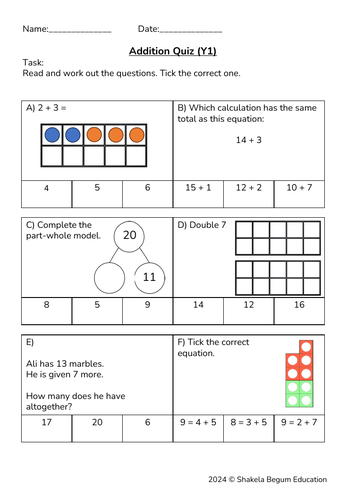
Addition Quiz (Year 1) | Teaching Resources