Urban homesteading and sustainable agriculture have moved from niche interests to mainstream trends, driving many to explore backyard apiaries. While the environmental benefits of supporting pollinators are clear, the financial commitment is often misunderstood. Assessing how much does it cost to start beekeeping requires looking beyond the price of timber and bees to understand the long-term economic trade-offs of livestock management.
Housing Choices: Economy vs. Durability
The structure of the hive dictates the baseline investment, and here the choice often lies between the Langstroth and the Top Bar designs. Langstroth hives, the vertical boxes familiar to most, utilize standardized frames that offer modularity and higher honey yields, but often require purchasing multiple boxes or "supers" as the colony grows. Top Bar hives can be simpler to build and maintain, making them attractive for DIY enthusiasts looking to save on lumber. However, commercial Top Bar kits can carry a premium price tag. While assembling flat-packed wood yourself lowers the initial outlay, buying pre-assembled, rot-resistant cedar equipment saves significant labor hours and often lasts years longer.
The Biology Expense: Sourcing Your Colony
Woodenware is static, but the bees are a living, variable cost. Pricing for bees fluctuates annually based on winter survival rates and demand, typically split between "packages" of bees or established "nucleus" colonies. Packages are generally less expensive but require more time for the colony to establish itself and produce comb. Nucleus colonies, or nucs, come with a laying queen, drawn comb, and worker bees, offering a head start on production for a higher price. New beekeepers must budget for this biological purchase early, as suppliers often sell out months before the spring season begins.
Safety Gear and Tools: The Hidden Variables
Protective equipment represents a non-negotiable category where cost correlates with safety and comfort. A full bee suit with a fencing-style veil is the safest investment, whereas jackets or veils alone might suffice for the confident hobbyist but increase the risk of stings. Synthetic materials often offer better ventilation and durability compared to cotton, though at a steeper price. Beyond clothing, the essential toolkit—smoker, hive tool, and brush—is relatively modest. However, the real financial dilemma arises with honey extraction. Purchasing an extractor, uncapping tank, and bottling buckets constitutes a major expense, leading many small-scale keepers to rent equipment from local clubs rather than buy it outright.
Evaluating Return on Investment
Setting realistic expectations is crucial for the trend-aware reader. Beekeeping is rarely a profitable venture in the first few years; it is an investment in pollination and a rewarding hobby. A new colony prioritizes survival and comb drawing over surplus honey production, meaning a significant harvest is unlikely in year one. Furthermore, disease and pest management, such as treatments for Varroa mites, add to the operational costs. Ultimately, starting an apiary is best viewed as a lifestyle expenditure with tangible, if occasionally delayed, sweet rewards rather than a quick financial return.
Urban homesteading and sustainable agriculture have moved from niche interests to mainstream trends, driving many to explore backyard apiaries. While the environmental benefits of supporting pollinators are clear, the financial commitment is often misunderstood. Assessing how much does it cost to start beekeeping requires looking beyond the price of timber and bees to understand the long-term economic trade-offs of livestock management.
Housing Choices: Economy vs. Durability
The structure of the hive dictates the baseline investment, and here the choice often lies between the Langstroth and the Top Bar designs. Langstroth hives, the vertical boxes familiar to most, utilize standardized frames that offer modularity and higher honey yields, but often require purchasing multiple boxes or "supers" as the colony grows. Top Bar hives can be simpler to build and maintain, making them attractive for DIY enthusiasts looking to save on lumber. However, commercial Top Bar kits can carry a premium price tag. While assembling flat-packed wood yourself lowers the initial outlay, buying pre-assembled, rot-resistant cedar equipment saves significant labor hours and often lasts years longer.
The Biology Expense: Sourcing Your Colony
Woodenware is static, but the bees are a living, variable cost. Pricing for bees fluctuates annually based on winter survival rates and demand, typically split between "packages" of bees or established "nucleus" colonies. Packages are generally less expensive but require more time for the colony to establish itself and produce comb. Nucleus colonies, or nucs, come with a laying queen, drawn comb, and worker bees, offering a head start on production for a higher price. New beekeepers must budget for this biological purchase early, as suppliers often sell out months before the spring season begins.
Safety Gear and Tools: The Hidden Variables
Protective equipment represents a non-negotiable category where cost correlates with safety and comfort. A full bee suit with a fencing-style veil is the safest investment, whereas jackets or veils alone might suffice for the confident hobbyist but increase the risk of stings. Synthetic materials often offer better ventilation and durability compared to cotton, though at a steeper price. Beyond clothing, the essential toolkit—smoker, hive tool, and brush—is relatively modest. However, the real financial dilemma arises with honey extraction. Purchasing an extractor, uncapping tank, and bottling buckets constitutes a major expense, leading many small-scale keepers to rent equipment from local clubs rather than buy it outright.
Evaluating Return on Investment
Setting realistic expectations is crucial for the trend-aware reader. Beekeeping is rarely a profitable venture in the first few years; it is an investment in pollination and a rewarding hobby. A new colony prioritizes survival and comb drawing over surplus honey production, meaning a significant harvest is unlikely in year one. Furthermore, disease and pest management, such as treatments for Varroa mites, add to the operational costs. Ultimately, starting an apiary is best viewed as a lifestyle expenditure with tangible, if occasionally delayed, sweet rewards rather than a quick financial return.
Подробная политическая карта Европы. Все страны Европы. Карта масштаба
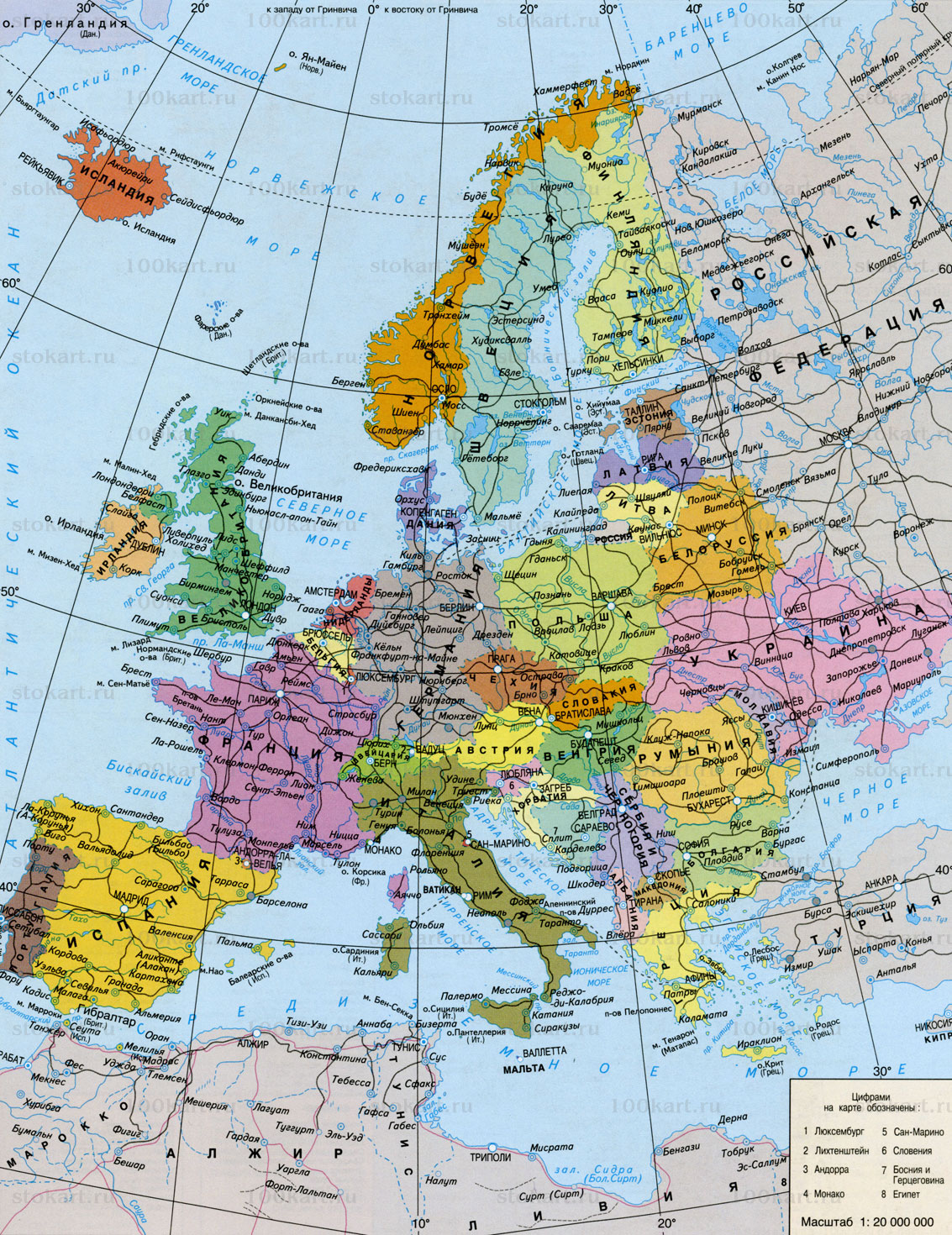
Подробная политическая карта Европы. Все страны Европы. Карта масштаба ...